 By admin
 Unveiling the Power of Flight Vectors: A Comprehensive Guide to Understanding and Utilizing this Essential Tool
Related Articles: Unveiling the Power of Flight Vectors: A Comprehensive Guide to Understanding and Utilizing this Essential Tool
Introduction
With great pleasure, we will explore the intriguing topic related to Unveiling the Power of Flight Vectors: A Comprehensive Guide to Understanding and Utilizing this Essential Tool. Let’s weave interesting information and offer fresh perspectives to the readers.
Table of Content
Unveiling the Power of Flight Vectors: A Comprehensive Guide to Understanding and Utilizing this Essential Tool
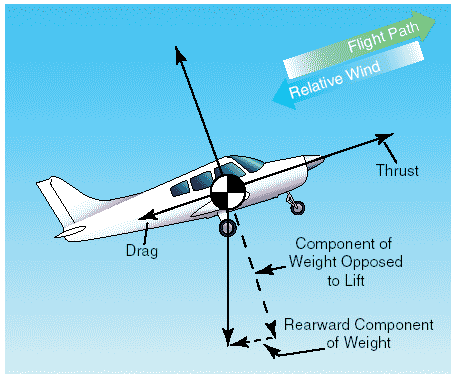
In the realm of aviation, understanding the intricate dance of aircraft movement is paramount. This is where the concept of flight vectors takes center stage. Flight vectors, essentially visual representations of an aircraft’s planned or actual flight path, serve as the cornerstone of air traffic control, flight planning, and even real-time flight tracking. This comprehensive guide delves into the intricacies of flight vectors, elucidating their significance and exploring their diverse applications.
What are Flight Vectors?
Imagine a map, dotted with lines connecting various points. These lines, representing the intended or actual trajectory of an aircraft, are flight vectors. They provide a clear visual depiction of an aircraft’s movement in the airspace, enabling air traffic controllers and pilots to understand and manage the flow of air traffic efficiently.
Understanding the Components of Flight Vectors
Flight vectors are not merely lines on a map; they are composed of crucial elements that convey vital information:
- Direction: This indicates the heading of the aircraft, the compass bearing it is following.
- Magnitude: This element represents the speed of the aircraft, often expressed in knots (nautical miles per hour).
- Altitude: The vertical component of the vector, signifying the aircraft’s height above sea level.
- Time: This element can be incorporated into flight vectors to indicate the estimated time of arrival (ETA) at a specific point.
The Role of Flight Vectors in Air Traffic Control
Air traffic control is a complex ballet of coordination, ensuring the safe and efficient movement of aircraft within designated airspace. Flight vectors play a crucial role in this intricate process:
- Maintaining Separation: By visualizing aircraft trajectories, air traffic controllers can maintain safe distances between aircraft, preventing collisions.
- Optimizing Routes: Flight vectors allow controllers to guide aircraft along the most efficient routes, minimizing flight time and fuel consumption.
- Managing Congestion: In busy airspace, flight vectors help controllers manage the flow of traffic, preventing delays and ensuring smooth operations.
- Responding to Emergencies: In case of emergencies, flight vectors enable controllers to quickly direct aircraft to safe landing areas or facilitate diversions.
Flight Vectors in Flight Planning
Flight vectors are equally essential in flight planning, the meticulous process of preparing for a flight:
- Route Planning: Pilots utilize flight vectors to plan the most efficient route, considering factors like wind conditions, weather patterns, and airspace restrictions.
- Fuel Optimization: By analyzing flight vectors, pilots can determine the optimal fuel load for a flight, minimizing unnecessary weight and maximizing fuel efficiency.
- Navigation Assistance: Flight vectors provide pilots with a clear visual representation of their planned flight path, aiding in navigation and ensuring adherence to designated routes.
Real-Time Flight Tracking: The Power of Flight Vectors
In the digital age, flight vectors play a pivotal role in real-time flight tracking, providing passengers and aviation enthusiasts with insights into the movement of aircraft:
- Flight Status Updates: Flight tracking platforms utilize flight vectors to provide real-time updates on flight progress, including estimated arrival and departure times.
- Aircraft Location Visualization: Flight vectors allow users to visualize the current location and trajectory of aircraft, providing a dynamic view of air traffic.
- Historical Flight Data: By analyzing historical flight vector data, users can gain insights into flight patterns, flight times, and potential delays.
The Significance of Flight Vectors in Aviation
The importance of flight vectors in aviation cannot be overstated. They are the invisible thread that connects pilots, air traffic controllers, and passengers, ensuring the safety and efficiency of air travel:
- Safety: Flight vectors are the foundation of safe air travel, enabling air traffic controllers to maintain separation between aircraft and prevent collisions.
- Efficiency: Flight vectors streamline air traffic flow, optimizing routes and minimizing delays, leading to cost savings and improved passenger experience.
- Transparency: Flight vectors provide passengers with valuable information about flight progress, fostering transparency and enhancing trust in the aviation industry.
FAQs about Flight Vectors
Q: How are flight vectors created?
A: Flight vectors are typically generated using radar data, which tracks the position and movement of aircraft. This data is then processed and displayed as visual representations of flight paths.
Q: Are flight vectors always accurate?
A: While flight vectors are based on real-time data, they are subject to factors like weather conditions, airspace restrictions, and pilot decisions. As such, they can be subject to minor deviations.
Q: Can anyone access flight vector data?
A: Flight vector data is typically accessible to air traffic controllers, pilots, and authorized agencies. Public access to real-time flight vector data is often limited due to security and privacy concerns.
Q: What is the difference between flight vectors and flight paths?
A: Flight vectors represent the intended or actual trajectory of an aircraft at a specific point in time. Flight paths, on the other hand, encompass the entire route of the aircraft from origin to destination.
Tips for Understanding and Utilizing Flight Vectors
- Consult Aviation Resources: Utilize online resources and aviation publications to deepen your understanding of flight vectors and their applications.
- Observe Air Traffic Control: Observe air traffic control operations at airports to gain a firsthand understanding of how flight vectors are used in real-time.
- Utilize Flight Tracking Apps: Explore flight tracking apps that display flight vectors, allowing you to visualize aircraft movement and gain insights into flight operations.
Conclusion
Flight vectors are an integral component of the aviation ecosystem, playing a vital role in air traffic control, flight planning, and real-time flight tracking. Their significance lies in ensuring the safety, efficiency, and transparency of air travel, connecting pilots, controllers, and passengers in a seamless and coordinated dance of aircraft movement. As technology advances, flight vectors are poised to become even more sophisticated, further enhancing the safety and efficiency of the aviation industry.


Closure
Thus, we hope this article has provided valuable insights into Unveiling the Power of Flight Vectors: A Comprehensive Guide to Understanding and Utilizing this Essential Tool. We thank you for taking the time to read this article. See you in our next article!