 By admin
 Understanding the Kern County Zoning Map: A Guide to Land Use Regulations
Related Articles: Understanding the Kern County Zoning Map: A Guide to Land Use Regulations
Introduction
With great pleasure, we will explore the intriguing topic related to Understanding the Kern County Zoning Map: A Guide to Land Use Regulations. Let’s weave interesting information and offer fresh perspectives to the readers.
Table of Content
Understanding the Kern County Zoning Map: A Guide to Land Use Regulations

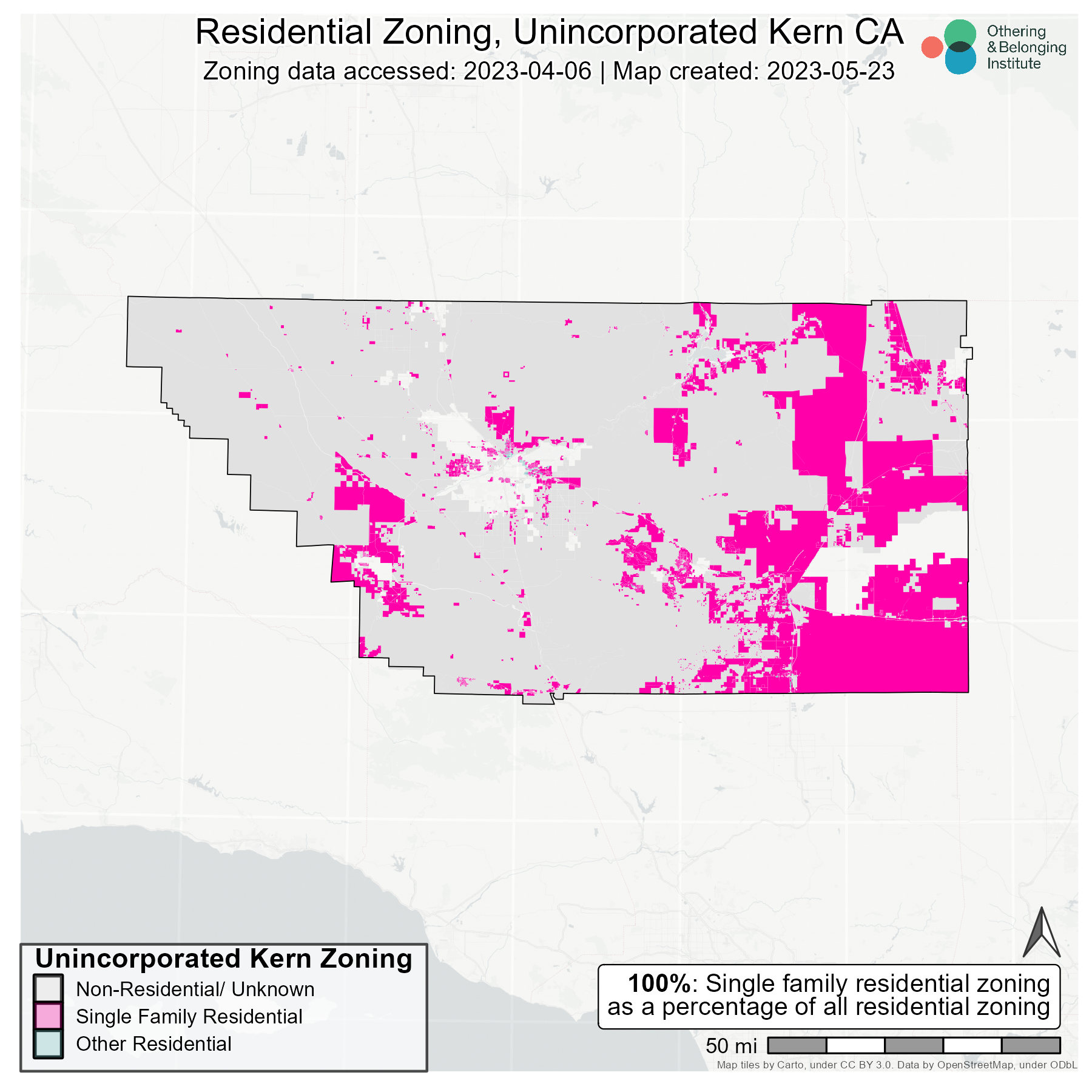
Kern County, California, a vast and diverse region, is governed by a comprehensive zoning system that outlines the permissible uses of land within its boundaries. This system, represented by the Kern County Zoning Map, plays a crucial role in shaping the county’s development and ensuring its continued viability. This article will delve into the intricacies of the zoning map, providing a clear understanding of its purpose, components, and significance for residents, businesses, and developers alike.
The Foundation of Land Use Regulation:
The Kern County Zoning Map serves as the cornerstone of land use regulation, defining how properties can be utilized within the county’s geographical expanse. It divides the county into various zones, each with its own set of regulations governing the types of activities allowed, building heights, density restrictions, and other development parameters. This zoning system provides a framework for:
- Maintaining Quality of Life: By segregating residential, commercial, and industrial areas, zoning helps preserve the character of neighborhoods, minimize noise and pollution, and ensure the safety and well-being of residents.
- Promoting Sustainable Development: Zoning encourages responsible land use practices, preventing sprawl, protecting natural resources, and fostering efficient infrastructure development.
- Guiding Economic Growth: By defining areas for specific industries, zoning facilitates the creation of business hubs, attracting investment and fostering economic prosperity.
Decoding the Zoning Map:
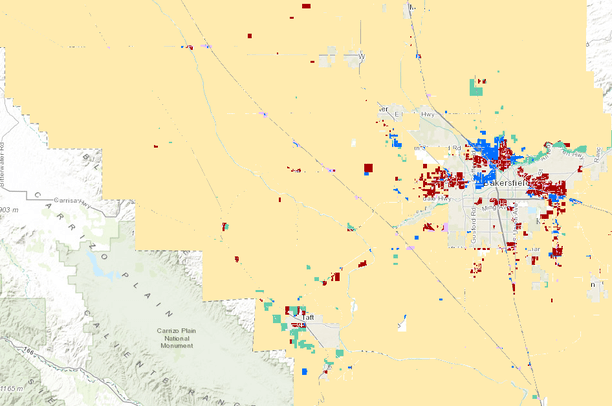
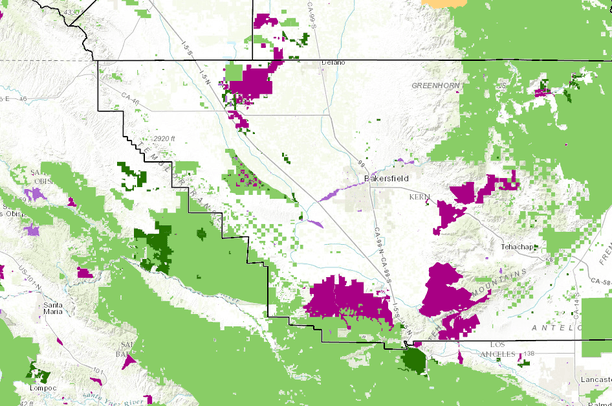
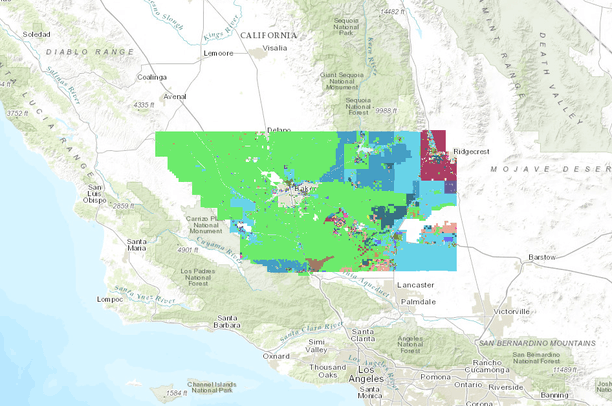
The Kern County Zoning Map is a complex document that requires careful interpretation. It is typically presented in a visual format, with different colors and symbols representing distinct zoning districts. Understanding the map requires familiarity with the following key elements:
- Zoning Districts: The map is divided into various zoning districts, each with a specific designation (e.g., "R-1" for single-family residential, "C-2" for commercial, "I-1" for industrial).
- Zoning Regulations: Each zoning district is associated with a set of regulations detailing permitted uses, building heights, lot sizes, setbacks, and other development standards.
- Overlay Districts: Certain areas may have additional overlay districts, such as floodplains or agricultural preserves, which impose specific restrictions or requirements beyond the base zoning district.
- Legend: The map includes a legend that explains the meaning of the different colors, symbols, and abbreviations used.
Navigating the Zoning System:
To ensure compliance with zoning regulations, individuals and businesses need to understand the zoning classification of their property and the specific requirements associated with that zone. This information can be obtained through various means:
- Online Resources: The Kern County Planning and Development Department website provides access to the zoning map, regulations, and other relevant documents.
- Public Access: The Planning and Development Department offers public access to the zoning map and related information at its offices.
- Professional Assistance: Consulting with a licensed planner or attorney specializing in land use can provide expert guidance on zoning matters.
The Importance of Zoning Compliance:
Adherence to zoning regulations is crucial for several reasons:
- Legal Compliance: Zoning is a legal framework enforced by local government, and violations can lead to fines, cease-and-desist orders, or other legal consequences.
- Community Harmony: Zoning ensures that development aligns with community values and protects the quality of life for residents.
- Property Value: Compliance with zoning regulations can enhance property values by ensuring the orderly and sustainable development of neighborhoods.
Understanding the Benefits of Zoning:
The Kern County Zoning Map, despite its complexity, provides numerous benefits for the community:
- Preservation of Neighborhood Character: By segregating residential, commercial, and industrial areas, zoning helps preserve the unique character of neighborhoods and prevents incompatible uses from encroaching upon residential areas.
- Environmental Protection: Zoning can protect sensitive ecosystems, natural resources, and open spaces by designating them as conservation areas or restricting development in environmentally vulnerable zones.
- Infrastructure Efficiency: Zoning encourages the development of infrastructure, such as roads, utilities, and public services, in a planned and coordinated manner, ensuring efficient allocation of resources.
- Economic Growth: By creating designated areas for specific industries, zoning attracts investment, promotes job creation, and fosters economic growth.
FAQs about the Kern County Zoning Map:
1. How can I find out the zoning classification of my property?
You can access the Kern County Zoning Map online through the Planning and Development Department website or visit their offices for in-person access. You can also search for your property address on the online map to identify its zoning district.
2. Can I request a zoning change for my property?
Yes, you can apply for a zoning change, but the process involves a detailed application, public hearings, and approval from the Planning Commission and the Board of Supervisors. The process can be lengthy and require extensive documentation.
3. What are the consequences of violating zoning regulations?
Violations can result in fines, cease-and-desist orders, and legal action. In some cases, the property owner may be required to demolish or modify structures that violate zoning regulations.
4. How do I obtain a building permit?
To obtain a building permit, you must submit an application to the Planning and Development Department, demonstrating that your proposed project complies with all applicable zoning regulations and other building codes.
5. Where can I find information about specific zoning regulations?
The Kern County Zoning Ordinance and related documents are available on the Planning and Development Department website. You can also contact the department directly for assistance in finding the relevant information.
Tips for Understanding and Utilizing the Zoning Map:
- Familiarize yourself with the map’s legend: Understand the different colors, symbols, and abbreviations used to represent zoning districts and regulations.
- Consult the zoning ordinance: Read the detailed regulations associated with each zoning district to understand the specific requirements for your property.
- Contact the Planning and Development Department: Seek guidance from the department staff for any questions or clarifications regarding zoning matters.
- Engage in community planning: Attend public meetings and provide input on proposed zoning changes or development projects in your area.
- Seek professional assistance: Consult with a licensed planner or attorney specializing in land use for expert advice on zoning compliance and development projects.
Conclusion:
The Kern County Zoning Map is a vital tool for managing land use, ensuring the well-being of residents, and promoting sustainable development. By understanding its intricacies and adhering to its regulations, individuals and businesses can contribute to the orderly growth and prosperity of Kern County. The zoning system, while complex, serves as a foundation for a thriving and balanced community, balancing economic development with environmental protection and community values.

Closure
Thus, we hope this article has provided valuable insights into Understanding the Kern County Zoning Map: A Guide to Land Use Regulations. We hope you find this article informative and beneficial. See you in our next article!