 By admin
 The Shadowy Realm of Angmar: A Comprehensive Exploration of the Map
Related Articles: The Shadowy Realm of Angmar: A Comprehensive Exploration of the Map
Introduction
With great pleasure, we will explore the intriguing topic related to The Shadowy Realm of Angmar: A Comprehensive Exploration of the Map. Let’s weave interesting information and offer fresh perspectives to the readers.
Table of Content
The Shadowy Realm of Angmar: A Comprehensive Exploration of the Map
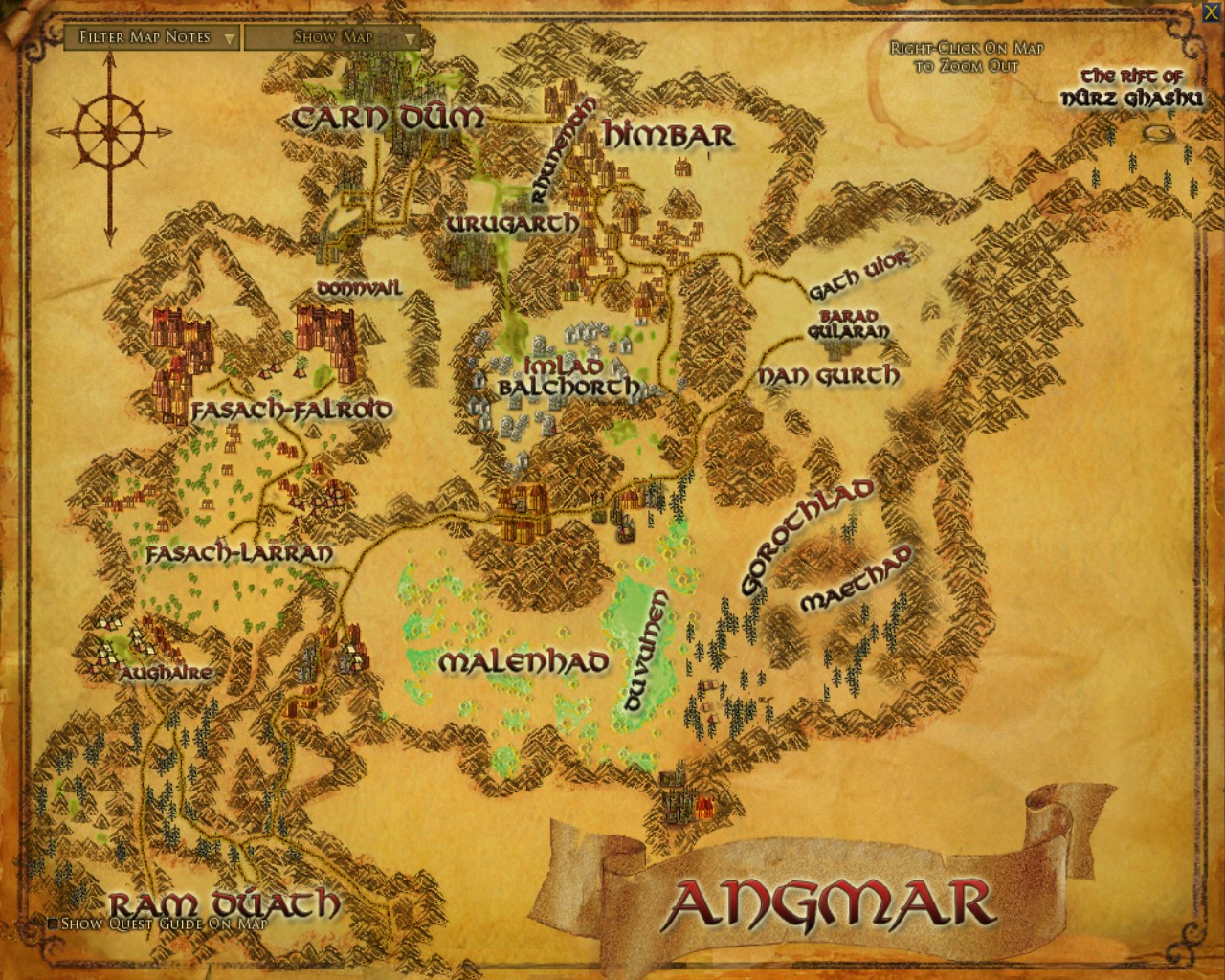
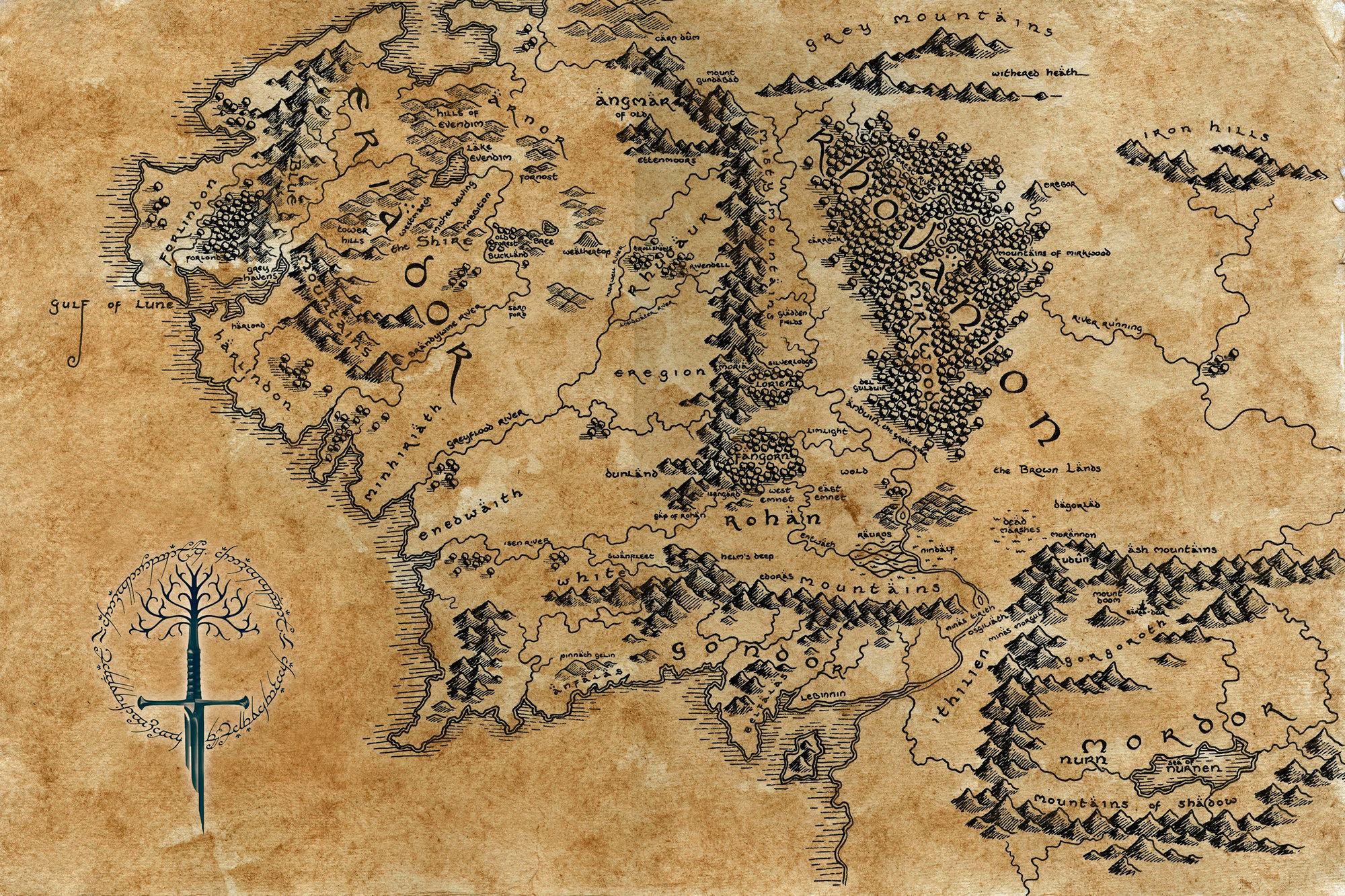
The map of Angmar, a region steeped in the darkness of the Second Age of Middle-earth, is a vital tool for understanding the history, geography, and strategic importance of this formidable realm. Situated in the northern reaches of Middle-earth, Angmar was established by the Witch-king of Angmar, a powerful Nazgûl, as a base to terrorize and subjugate the surrounding lands.
A Realm of Darkness:
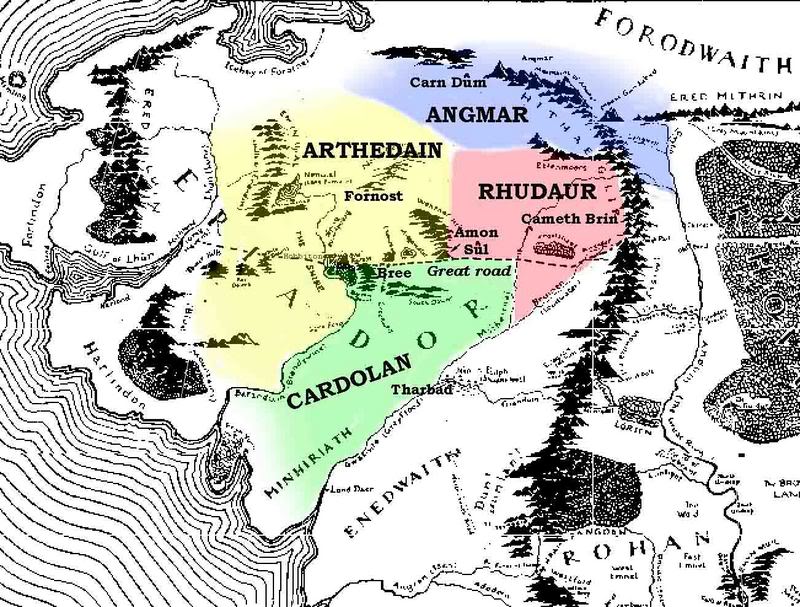
The map of Angmar reveals a region dominated by the bleak and unforgiving landscape of the Ettenmoors. This desolate expanse, home to the monstrous Etten, provided a suitable environment for the Witch-king’s dark forces. The map also highlights the strategic importance of the region, situated between the lands of the Dunedain of Arthedain and the Dwarves of the Iron Hills. This strategic location allowed Angmar to wage war on multiple fronts, disrupting trade routes and weakening the resistance to its expansion.
Key Geographical Features:
- The Ettenmoors: The primary geographical feature of Angmar, this vast, treacherous expanse served as the heart of the Witch-king’s power, providing a natural barrier and a breeding ground for his armies.
- Mount Gram: Located within the Ettenmoors, Mount Gram was a formidable fortress, strategically placed to control access to the surrounding lands.
- The Barrow-downs: This ancient necropolis, located south of the Ettenmoors, held immense power and was used by the Witch-king to raise armies of the dead.
- The River Hoarwell: Flowing through the region, the Hoarwell acted as a natural border, separating Angmar from the lands of Arthedain.
The Rise and Fall of Angmar:
The map of Angmar serves as a visual testament to the rise and fall of this dark realm. The Witch-king’s campaign of terror began in the late Second Age, eventually leading to the establishment of Angmar as a formidable power. However, the map also highlights the ultimate failure of Angmar. The Witch-king’s relentless aggression, coupled with the resistance of the Dunedain and their allies, eventually led to the downfall of Angmar.
Strategic Importance:
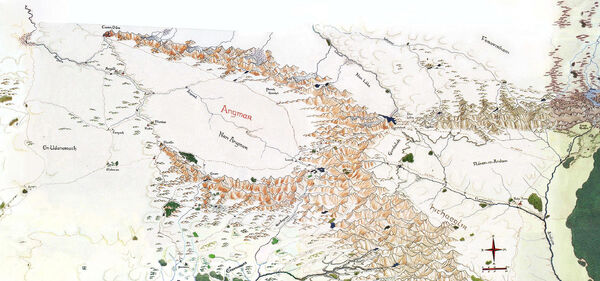
The map of Angmar underscores the strategic importance of the region. It reveals how the Witch-king, through his control of Angmar, aimed to destabilize and conquer the North, disrupting the balance of power in Middle-earth. The map highlights the key locations and battlefields, providing a deeper understanding of the strategies employed by both sides during the conflict.
Beyond the Map:
While the map offers a visual representation of Angmar, it is crucial to understand that the region encompasses more than just geography. The map serves as a gateway to delve into the history, mythology, and lore surrounding Angmar. It allows us to explore the motivations of the Witch-king, the nature of his power, and the consequences of his reign.
FAQs:
- What is the significance of the Ettenmoors in the map of Angmar? The Ettenmoors served as the core of Angmar, providing a natural defense and a breeding ground for the Witch-king’s forces.
- What was the role of the Barrow-downs in the history of Angmar? The Barrow-downs were used by the Witch-king to raise armies of the dead, adding to his formidable military strength.
- How did the geography of Angmar influence the Witch-king’s strategies? The strategic location of Angmar allowed the Witch-king to launch attacks on multiple fronts, targeting the Dunedain, the Dwarves, and the surrounding lands.
- What was the outcome of the conflict between Angmar and the forces of the North? The combined forces of the Dunedain, the Elves, and the Dwarves eventually defeated Angmar, ending the Witch-king’s reign of terror.
Tips for Understanding the Map of Angmar:
- Study the geographical features: Pay attention to the location of the Ettenmoors, Mount Gram, the Barrow-downs, and the River Hoarwell.
- Analyze the strategic importance of the region: Consider how Angmar’s location allowed the Witch-king to control trade routes and launch attacks on multiple fronts.
- Explore the historical context: Research the events that led to the establishment of Angmar and the consequences of its downfall.
- Delve into the mythology: Learn about the Witch-king, his powers, and his motivations for establishing Angmar.
Conclusion:
The map of Angmar is more than just a visual representation of a region; it is a portal to a dark and fascinating chapter in the history of Middle-earth. By studying the map, we gain a deeper understanding of the geography, the strategic importance, and the historical significance of this formidable realm. The map serves as a reminder of the enduring power of evil, the resilience of those who resist it, and the consequences of unchecked ambition. It invites us to explore the depths of the legend, to ponder the forces that shape the world, and to appreciate the complex tapestry of events that define Middle-earth’s history.



Closure
Thus, we hope this article has provided valuable insights into The Shadowy Realm of Angmar: A Comprehensive Exploration of the Map. We hope you find this article informative and beneficial. See you in our next article!