 By admin
 Navigating the North Fork: A Comprehensive Guide to its Geography and Significance
Related Articles: Navigating the North Fork: A Comprehensive Guide to its Geography and Significance
Introduction
With enthusiasm, let’s navigate through the intriguing topic related to Navigating the North Fork: A Comprehensive Guide to its Geography and Significance. Let’s weave interesting information and offer fresh perspectives to the readers.
Table of Content
Navigating the North Fork: A Comprehensive Guide to its Geography and Significance
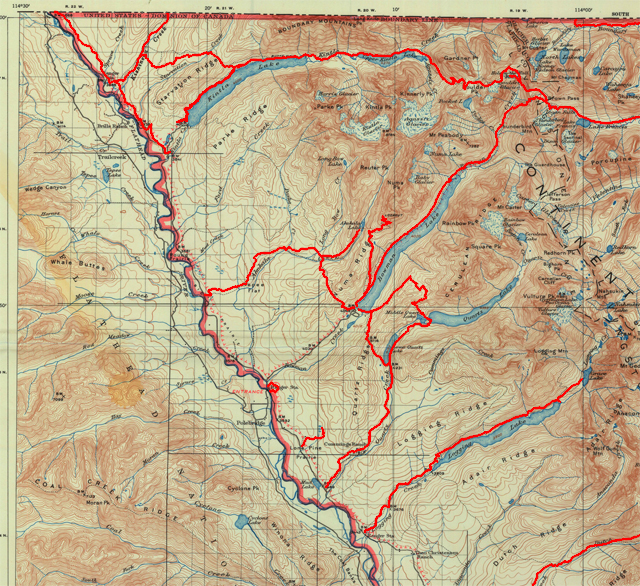
The North Fork, a geographical feature often associated with specific regions like Long Island, New York or the North Fork of the Flathead River in Montana, represents a significant element in the landscape and the lives of those who inhabit these areas. This article aims to provide a comprehensive understanding of the North Fork, exploring its geographical features, ecological importance, and cultural significance, while emphasizing its relevance to the surrounding communities.
Understanding the North Fork: A Geographical Overview
The term "North Fork" refers to a geographical feature that describes a tributary stream or river that flows into a larger river or waterway. It is often used to distinguish between two or more tributaries that originate from different directions and converge to form a larger river. This distinction is crucial for understanding the geographical context and characteristics of the North Fork.
The North Fork of Long Island, New York:
This North Fork is a picturesque region located on the eastern end of Long Island, New York. It is characterized by its charming towns, rolling hills, and extensive vineyards, making it a popular destination for tourism and recreation. The region’s name derives from the North Fork of the Peconic River, which flows through the region and empties into Peconic Bay.
Geographical Features of the North Fork (Long Island):
- The Peconic River: This river, the main waterway of the North Fork, plays a vital role in the region’s ecosystem and economy. It provides a habitat for various aquatic species and supports a thriving fishing industry.
- Rolling Hills and Farmland: The North Fork’s landscape is characterized by gentle rolling hills and expansive farmland, creating a scenic backdrop for the region’s vineyards and agricultural activities.
- Coastal Beaches: The North Fork boasts a coastline dotted with pristine beaches, offering opportunities for swimming, sunbathing, and exploring the natural beauty of the Long Island Sound.
- Vineyards and Wineries: The region is renowned for its thriving wine industry, with numerous vineyards and wineries producing award-winning wines.
The North Fork of the Flathead River, Montana:
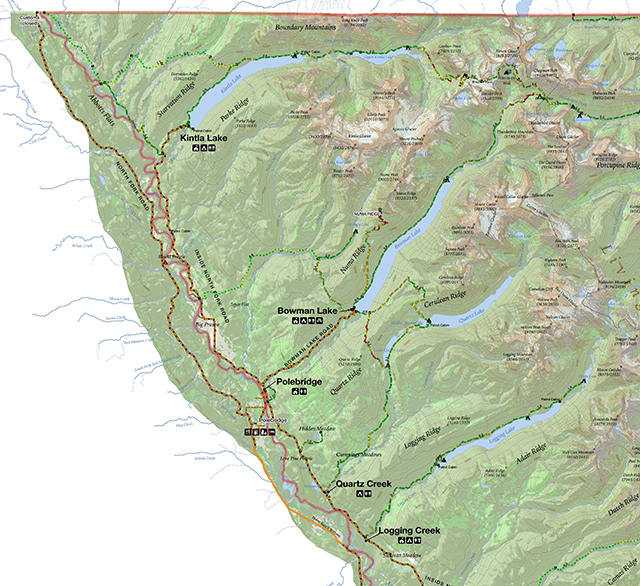
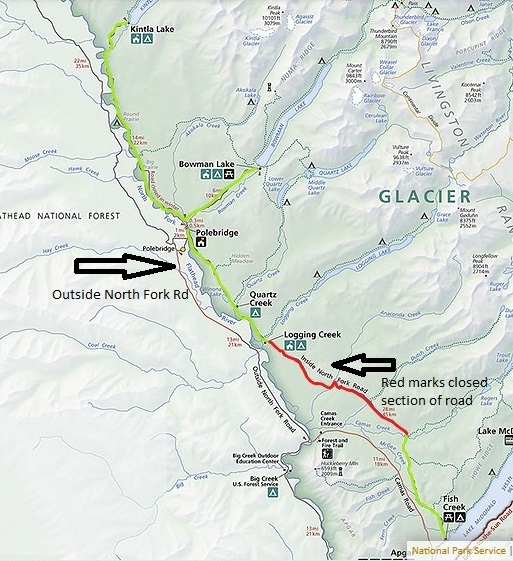
This North Fork is a tributary of the Flathead River, located in northwestern Montana. It flows through a scenic and rugged landscape, offering opportunities for fishing, hiking, and other outdoor activities.
Geographical Features of the North Fork (Montana):
- Glacial Valley: The North Fork flows through a valley carved by glaciers, creating a stunning landscape with towering mountains, lush forests, and pristine waters.
- Wild and Scenic River: The North Fork is designated as a "Wild and Scenic River," reflecting its exceptional natural beauty and ecological significance.
- Fishing and Recreation: The river is a renowned fishing destination, offering opportunities to catch trout and other species. It also attracts hikers, kayakers, and other outdoor enthusiasts.
Ecological Significance of the North Fork:
The North Fork, regardless of its specific location, plays a crucial role in the surrounding ecosystem. Its waterways provide a habitat for diverse plant and animal life, including fish, birds, mammals, and insects. The river’s flow also contributes to the health of the surrounding wetlands, forests, and agricultural lands.
Cultural Significance of the North Fork:
The North Fork is often associated with a distinct culture and way of life, shaped by its unique geography and history. The region’s rural character, agricultural traditions, and scenic beauty have attracted artists, writers, and other creative individuals, contributing to its cultural vibrancy.
The Importance of Understanding the North Fork:
Comprehending the geographical features, ecological significance, and cultural importance of the North Fork is essential for several reasons:
- Environmental Conservation: Understanding the North Fork’s ecosystem allows for the development of effective conservation strategies to protect its biodiversity and ensure its long-term health.
- Economic Development: The North Fork’s natural beauty and agricultural resources contribute to its economic vitality, attracting tourists, supporting local businesses, and creating jobs.
- Community Identity: The North Fork plays a significant role in shaping the identity and sense of place for those who live and work in the region.
FAQs about the North Fork:
Q: What are the major cities or towns located on the North Fork of Long Island?
A: The major towns on the North Fork of Long Island include Cutchogue, Mattituck, Shelter Island, Greenport, and Southold.
Q: What are the main industries on the North Fork of Long Island?
A: The main industries on the North Fork of Long Island include agriculture, tourism, and wine production.
Q: What are some popular attractions on the North Fork of Long Island?
A: Popular attractions on the North Fork of Long Island include the Long Island Sound, the North Fork wineries, and the historic villages and towns.
Q: What are some popular outdoor activities on the North Fork of Montana?
A: Popular outdoor activities on the North Fork of Montana include fishing, hiking, kayaking, and camping.
Q: What are the environmental challenges facing the North Fork?
A: Environmental challenges facing the North Fork include habitat loss, water pollution, and climate change.
Tips for Exploring the North Fork:
- Plan your trip in advance: Research the different attractions and activities available in the region to make the most of your time.
- Book accommodations early: The North Fork is a popular destination, especially during peak season, so it is essential to reserve your accommodations in advance.
- Sample the local cuisine: The North Fork is known for its fresh seafood, local produce, and award-winning wines.
- Enjoy the outdoors: Take advantage of the region’s natural beauty by hiking, biking, or kayaking.
- Respect the environment: Be mindful of your impact on the environment by practicing responsible tourism and leaving no trace.
Conclusion:
The North Fork, whether in Long Island or Montana, represents a significant geographical feature that plays a vital role in the surrounding landscape, ecosystem, and culture. Its diverse geography, ecological importance, and cultural significance contribute to the unique character of these regions, attracting visitors and shaping the lives of those who call them home. Understanding the North Fork is essential for appreciating its beauty, protecting its environment, and supporting its economic and cultural vitality.


Closure
Thus, we hope this article has provided valuable insights into Navigating the North Fork: A Comprehensive Guide to its Geography and Significance. We appreciate your attention to our article. See you in our next article!