 By admin
 Navigating the Landscape of Farmington, Connecticut: A Comprehensive Guide
Related Articles: Navigating the Landscape of Farmington, Connecticut: A Comprehensive Guide
Introduction
With enthusiasm, let’s navigate through the intriguing topic related to Navigating the Landscape of Farmington, Connecticut: A Comprehensive Guide. Let’s weave interesting information and offer fresh perspectives to the readers.
Table of Content
Navigating the Landscape of Farmington, Connecticut: A Comprehensive Guide

Farmington, Connecticut, a picturesque town nestled in the heart of the state, boasts a rich history, vibrant community, and captivating natural beauty. Its strategic location, coupled with its diverse attractions, makes it a popular destination for residents, visitors, and businesses alike. Understanding the layout and features of Farmington is crucial for navigating its offerings and maximizing the experience.
This comprehensive guide delves into the intricacies of Farmington’s geography, exploring its major roads, landmarks, and points of interest. It aims to provide a clear and informative understanding of the town’s spatial organization, enhancing the ability to explore its diverse facets.
Unveiling the Town’s Structure: A Geographic Overview
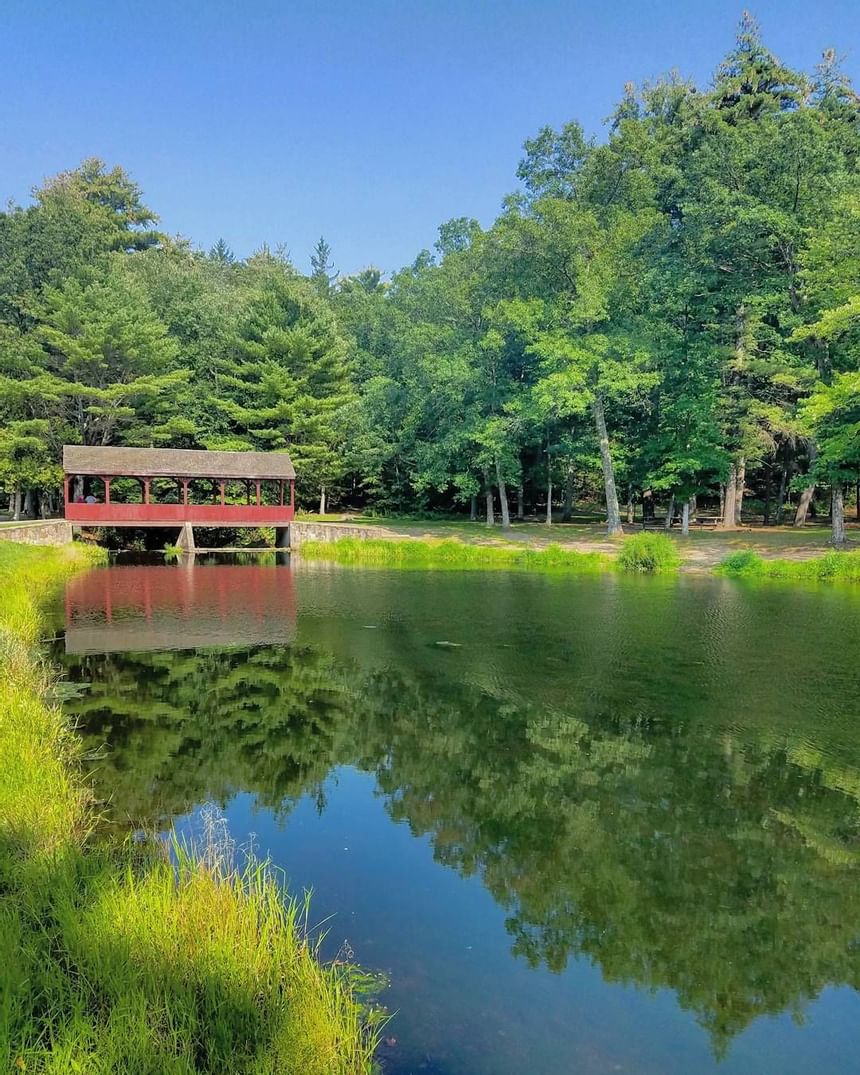
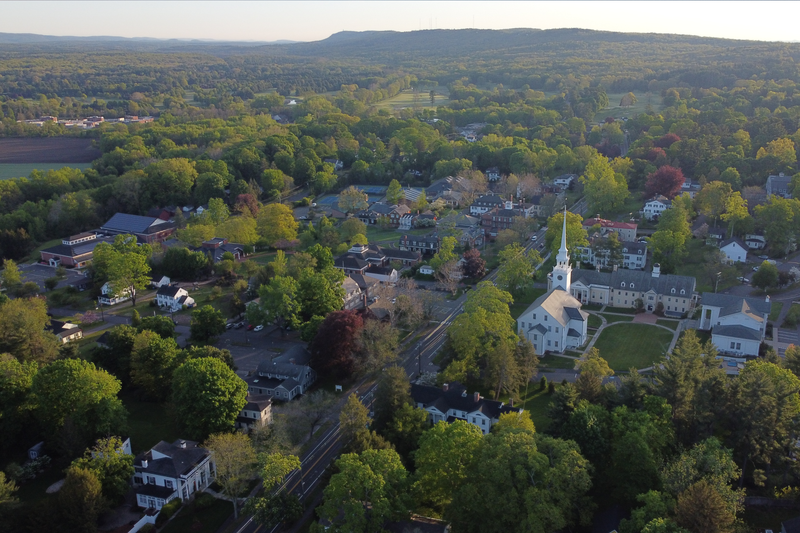
Farmington’s geography is characterized by rolling hills, dense forests, and winding rivers, creating a picturesque landscape. The Farmington River, a defining feature of the town, meanders through its heart, shaping its character and contributing to its natural beauty. The town’s layout is primarily defined by its historical development, with a well-defined central business district and surrounding residential neighborhoods.
Key Roads and Arteries: A Network of Connectivity
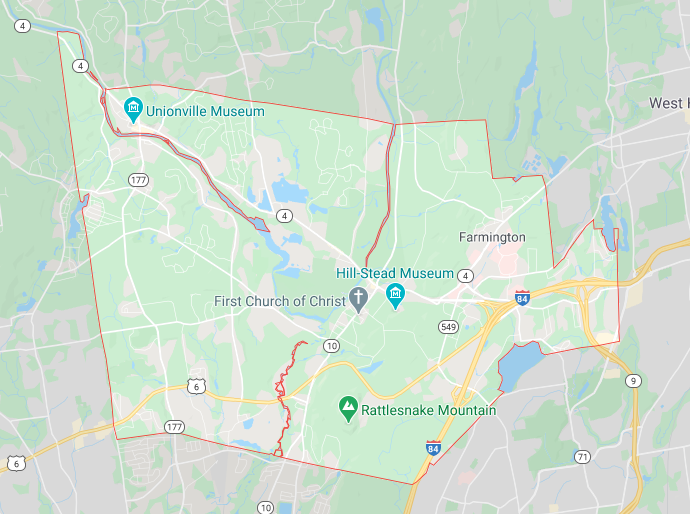
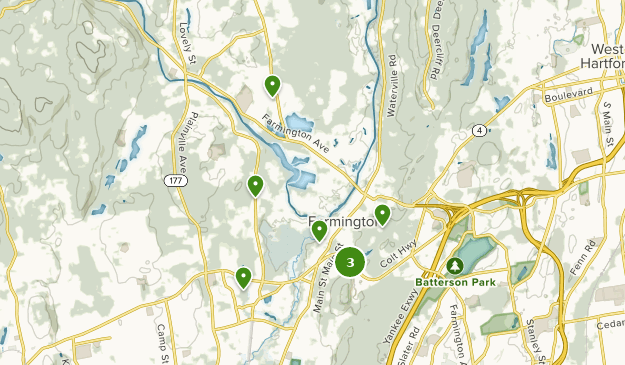
The town’s infrastructure is well-developed, with a network of major roads and arteries facilitating movement and connectivity. Route 4, a major highway running east-west, serves as a primary thoroughfare connecting Farmington to surrounding towns and cities. Other important roads include Route 10, Route 6, and Route 177, providing access to various points of interest within the town.
Exploring Landmarks and Points of Interest
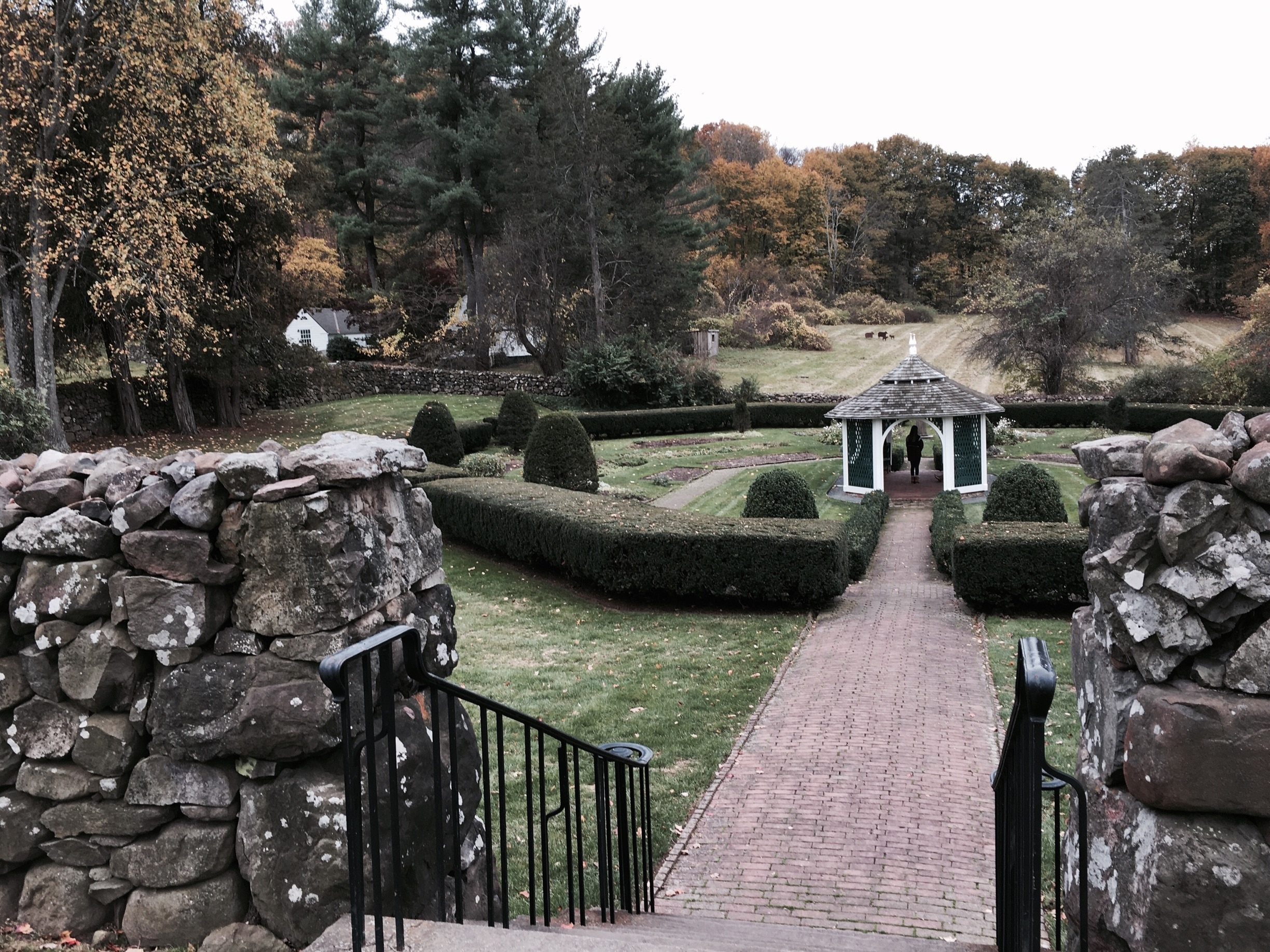
Farmington is replete with historical landmarks and points of interest that showcase its rich heritage and cultural tapestry. The Farmington Town Hall, a stately structure dating back to the 19th century, stands as a symbol of the town’s history and civic pride. The Farmington Historical Society Museum offers a fascinating glimpse into the town’s past, showcasing artifacts and exhibits that tell the story of its evolution.
Navigating the Town: Utilizing Maps
Understanding the layout of Farmington is crucial for navigating its diverse offerings. Maps serve as invaluable tools, providing a visual representation of the town’s geography, key roads, and points of interest.
Online Maps: A Digital Compass
Online mapping services like Google Maps and Apple Maps offer comprehensive and interactive maps of Farmington. These platforms provide detailed information on roads, landmarks, businesses, and points of interest, allowing users to plan routes, explore neighborhoods, and discover hidden gems.
Printed Maps: A Tangible Guide
Printed maps, available at local businesses and tourist centers, offer a tangible guide to the town’s layout. These maps provide a clear overview of the town’s structure, highlighting major roads, landmarks, and areas of interest.
Utilizing Maps for Navigation
Maps are essential tools for navigating Farmington effectively. They enable users to:
- Plan routes: Identify the most efficient routes between points of interest, minimizing travel time and maximizing convenience.
- Locate landmarks: Easily find historical sites, museums, parks, and other attractions within the town.
- Explore neighborhoods: Discover different residential areas, shopping districts, and cultural hubs within Farmington.
- Discover hidden gems: Uncover lesser-known attractions, local businesses, and unique experiences within the town.
Benefits of Understanding the Town’s Layout
Understanding the layout of Farmington offers numerous benefits, including:
- Enhanced navigation: Facilitates efficient and convenient movement within the town, minimizing time spent getting lost.
- Discovery of attractions: Enables exploration of hidden gems, local businesses, and cultural experiences.
- Improved decision-making: Provides a clear understanding of the town’s structure, aiding in planning trips and activities.
- Increased enjoyment of the town: Enhances the overall experience by fostering a sense of familiarity and ease of exploration.
FAQs: Addressing Common Queries
1. What are the best ways to get around Farmington?
Farmington is easily navigable by car, offering a convenient and flexible mode of transportation. Public transportation options are available, including the CT Transit bus service, which connects Farmington to surrounding towns and cities. Walking and cycling are also popular options for exploring the town’s central areas and parks.
2. What are some of the must-see attractions in Farmington?
Farmington boasts a wealth of attractions, including the Farmington Historical Society Museum, the Louis T. Stanley Town Hall, the Farmington River, the Farmington Valley Arts Center, and the University of Connecticut’s campus.
3. Where are the best places to eat in Farmington?
Farmington offers a diverse culinary scene, with options ranging from casual cafes and restaurants to fine dining establishments. Popular dining destinations include The Blue Plate, The Farmington Restaurant, and La Piazza.
4. What are some of the best places to shop in Farmington?
Farmington features a mix of local boutiques, specialty stores, and national retailers. The Farmington Valley Marketplace and the Town Center offer a variety of shopping options, while the Farmington Polo Grounds hosts a farmers market every Saturday during the summer.
5. What are some of the best places to stay in Farmington?
Farmington offers a range of accommodation options, including hotels, motels, and bed and breakfasts. The Farmington Inn, the Holiday Inn Express, and the Hampton Inn are popular choices for travelers.
Tips for Navigating Farmington
- Utilize maps: Refer to online and printed maps to familiarize yourself with the town’s layout and plan your routes.
- Explore different neighborhoods: Discover the unique character of each neighborhood, from the historic charm of the Town Center to the vibrant atmosphere of the University of Connecticut campus.
- Engage with locals: Ask for recommendations and insights from residents and business owners to uncover hidden gems and local experiences.
- Consider public transportation: Utilize the CT Transit bus service for convenient and affordable travel within the town and to surrounding areas.
- Take advantage of walking and cycling paths: Explore the town’s natural beauty and scenic routes by foot or bicycle.
Conclusion
Understanding the layout of Farmington, Connecticut, is crucial for navigating its diverse offerings and maximizing the experience. By utilizing maps, exploring different neighborhoods, and engaging with locals, visitors can unlock the town’s hidden gems, immerse themselves in its rich history and culture, and create lasting memories. From its picturesque landscape to its vibrant community, Farmington offers a captivating experience for all who visit.


Closure
Thus, we hope this article has provided valuable insights into Navigating the Landscape of Farmington, Connecticut: A Comprehensive Guide. We appreciate your attention to our article. See you in our next article!