 By admin
 Navigating the City on Two Wheels: A Comprehensive Guide to Bike Lane Maps
Related Articles: Navigating the City on Two Wheels: A Comprehensive Guide to Bike Lane Maps
Introduction
With enthusiasm, let’s navigate through the intriguing topic related to Navigating the City on Two Wheels: A Comprehensive Guide to Bike Lane Maps. Let’s weave interesting information and offer fresh perspectives to the readers.
Table of Content
- 1 Related Articles: Navigating the City on Two Wheels: A Comprehensive Guide to Bike Lane Maps
- 2 Introduction
- 3 Navigating the City on Two Wheels: A Comprehensive Guide to Bike Lane Maps
- 3.1 Understanding the Importance of Bike Lane Maps
- 3.2 Exploring the Features of Bike Lane Maps
- 3.3 Navigating the World of Bike Lane Maps
- 3.4 FAQs about Bike Lane Maps
- 3.5 Tips for Using Bike Lane Maps Effectively
- 3.6 Conclusion
- 4 Closure
Navigating the City on Two Wheels: A Comprehensive Guide to Bike Lane Maps

The rise of urban cycling has brought with it a growing need for accessible and reliable information about dedicated cycling infrastructure. Bike lane maps, often available online or on mobile applications, have become indispensable tools for cyclists navigating the urban landscape. These maps provide a visual representation of designated bike paths, routes, and amenities, empowering cyclists to make informed decisions about their journeys.
Understanding the Importance of Bike Lane Maps
Bike lane maps serve a crucial role in promoting safe and enjoyable cycling experiences. They offer several key benefits:
1. Enhanced Safety: By clearly identifying designated bike lanes, maps help cyclists avoid high-traffic areas and navigate safely through intersections, reducing the risk of collisions with motor vehicles.
2. Route Planning and Efficiency: These maps enable cyclists to plan efficient routes, avoiding unnecessary detours and traffic congestion. They often incorporate features like distance, elevation gain, and estimated travel time, allowing for informed route selection.
3. Accessibility and Inclusivity: Bike lane maps cater to a diverse range of cyclists, from seasoned commuters to recreational riders. They provide information on amenities like bike repair stations, water fountains, and public restrooms, enhancing accessibility for all riders.
4. Promoting Sustainable Transportation: By showcasing dedicated cycling infrastructure, bike lane maps encourage the adoption of sustainable transportation methods, contributing to cleaner air, reduced traffic congestion, and healthier lifestyles.
5. Fostering Community and Connectivity: These maps can connect cyclists to local bike shops, community cycling groups, and cycling events, fostering a sense of community among riders.
Exploring the Features of Bike Lane Maps
Modern bike lane maps are more than simple route guides; they are comprehensive tools offering a wealth of information:
1. Detailed Route Information: Maps typically display bike lanes, bike paths, and shared-use paths, often with color-coded designations for different levels of bike infrastructure. They may also highlight areas with dedicated bike signals and crosswalks.
2. Real-Time Traffic Conditions: Some maps integrate real-time traffic data, allowing cyclists to avoid congested areas and choose optimal routes based on current conditions.
3. Points of Interest: Maps may highlight points of interest relevant to cyclists, such as bike shops, repair stations, cafes, and public restrooms.
4. Elevation Profiles: For riders interested in challenging climbs or scenic routes, maps can display elevation profiles, helping them plan accordingly.
5. User-Generated Content: Many maps allow users to share their experiences, contribute route suggestions, and report issues like road hazards or damaged infrastructure.
Navigating the World of Bike Lane Maps
With the increasing popularity of cycling, a diverse range of bike lane maps has emerged, each catering to specific needs and preferences.
1. Online Mapping Services: Popular online mapping services like Google Maps, Apple Maps, and Waze have incorporated dedicated bike lane features. These services offer comprehensive coverage, real-time traffic updates, and integration with other navigation tools.
2. Specialized Cycling Apps: Numerous specialized cycling apps, such as Strava, Komoot, and Ride with GPS, are designed specifically for cyclists. These apps offer advanced route planning features, performance tracking, and social networking capabilities.
3. City-Specific Maps: Many cities and municipalities have developed their own interactive bike lane maps, providing tailored information about local cycling infrastructure and services.
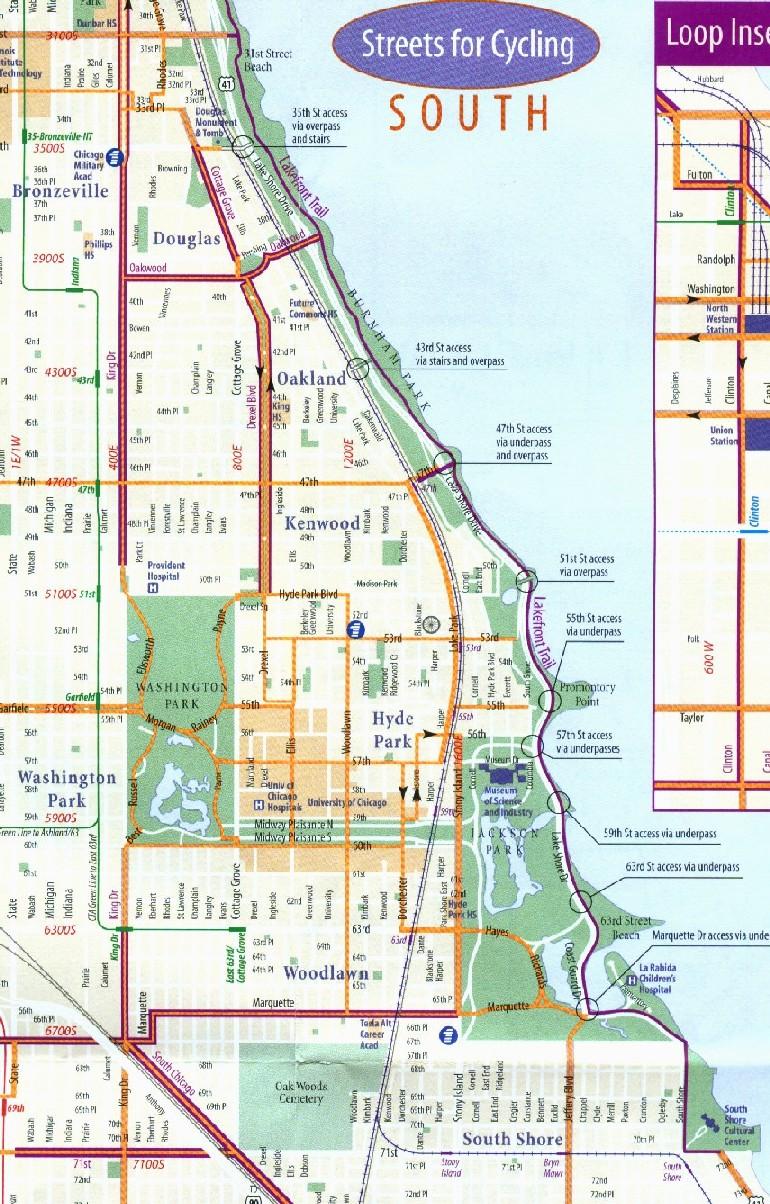
4. Printed Maps: While less common in the digital age, printed bike lane maps remain a valuable resource for offline navigation and planning.
5. Open-Source Data: Open-source mapping projects, such as OpenStreetMap, provide valuable data for creating and maintaining bike lane maps.
FAQs about Bike Lane Maps
1. How accurate are bike lane maps?
The accuracy of bike lane maps varies depending on the source and the frequency of updates. Online mapping services and specialized cycling apps typically rely on user-generated data and official sources, ensuring a high level of accuracy. However, it’s essential to remain aware of potential discrepancies and to exercise caution when navigating unfamiliar routes.
2. Are all bike lanes safe?
While bike lanes aim to enhance safety, it’s important to remember that not all bike lanes are created equal. Some may be narrow, poorly maintained, or located in high-traffic areas. It’s crucial to be aware of your surroundings and exercise caution, especially in areas with heavy vehicle traffic.
3. Can I rely solely on bike lane maps for navigation?
While bike lane maps are invaluable tools, they should not be considered the sole source of navigation information. It’s important to use common sense, be aware of your surroundings, and follow local traffic regulations.
4. How can I contribute to the accuracy of bike lane maps?
Many mapping services allow users to contribute data and feedback. Report any inaccuracies, road hazards, or missing information to help ensure the accuracy and usefulness of these maps.
5. Are bike lane maps available for all cities?
Bike lane maps are becoming increasingly widespread, but availability varies depending on the city or region. In some areas, dedicated cycling infrastructure and comprehensive maps are still under development.
Tips for Using Bike Lane Maps Effectively
1. Choose the Right Map: Select a map that best suits your needs and preferences, considering factors like features, coverage, and user interface.
2. Plan Your Route: Use the map to plan your route in advance, considering distance, elevation gain, and traffic conditions.
3. Be Aware of Your Surroundings: Even when following a designated bike lane, remain vigilant and be aware of your surroundings, especially at intersections and in areas with heavy traffic.
4. Verify Information: While bike lane maps are generally accurate, it’s always a good practice to verify information with local sources or by inspecting the actual route before embarking on a journey.
5. Contribute to the Map: If you encounter inaccuracies or missing information, take the time to report them to help improve the map for other cyclists.
Conclusion
Bike lane maps have become essential tools for navigating the urban landscape on two wheels. They provide cyclists with valuable information about dedicated bike paths, routes, and amenities, promoting safe, efficient, and enjoyable cycling experiences. By embracing the benefits of these maps, cyclists can contribute to the growth of sustainable transportation, fostering healthier communities and a more vibrant cycling culture. As technology continues to advance, we can expect even more sophisticated and user-friendly bike lane maps to emerge, further empowering cyclists to explore the world around them with ease and confidence.

%2Fcdn.vox-cdn.com%2Fuploads%2Fchorus_asset%2Ffile%2F16121068%2Fimg_3175_copy.jpg)




Closure
Thus, we hope this article has provided valuable insights into Navigating the City on Two Wheels: A Comprehensive Guide to Bike Lane Maps. We hope you find this article informative and beneficial. See you in our next article!