 By admin
 Navigating Mexico: A Comprehensive Guide to the Rail Network
Related Articles: Navigating Mexico: A Comprehensive Guide to the Rail Network
Introduction
In this auspicious occasion, we are delighted to delve into the intriguing topic related to Navigating Mexico: A Comprehensive Guide to the Rail Network. Let’s weave interesting information and offer fresh perspectives to the readers.
Table of Content
Navigating Mexico: A Comprehensive Guide to the Rail Network

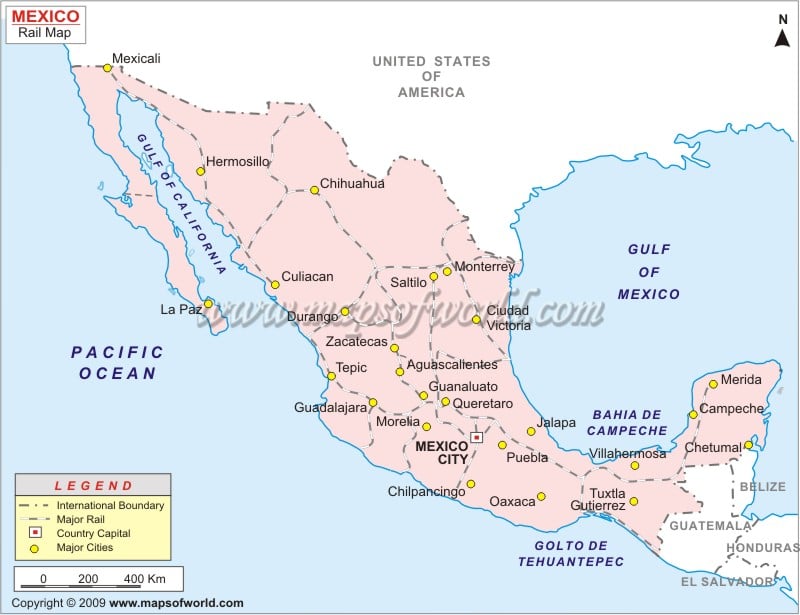
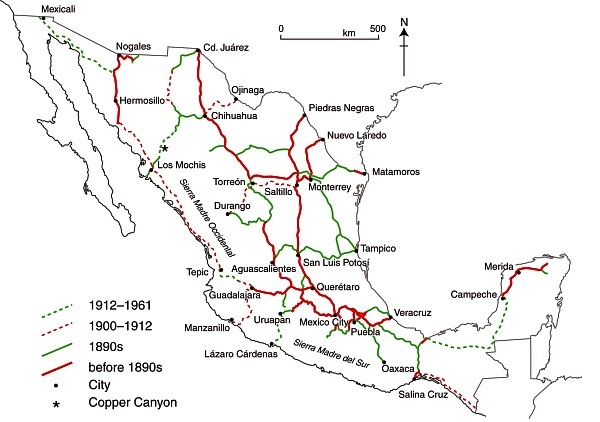
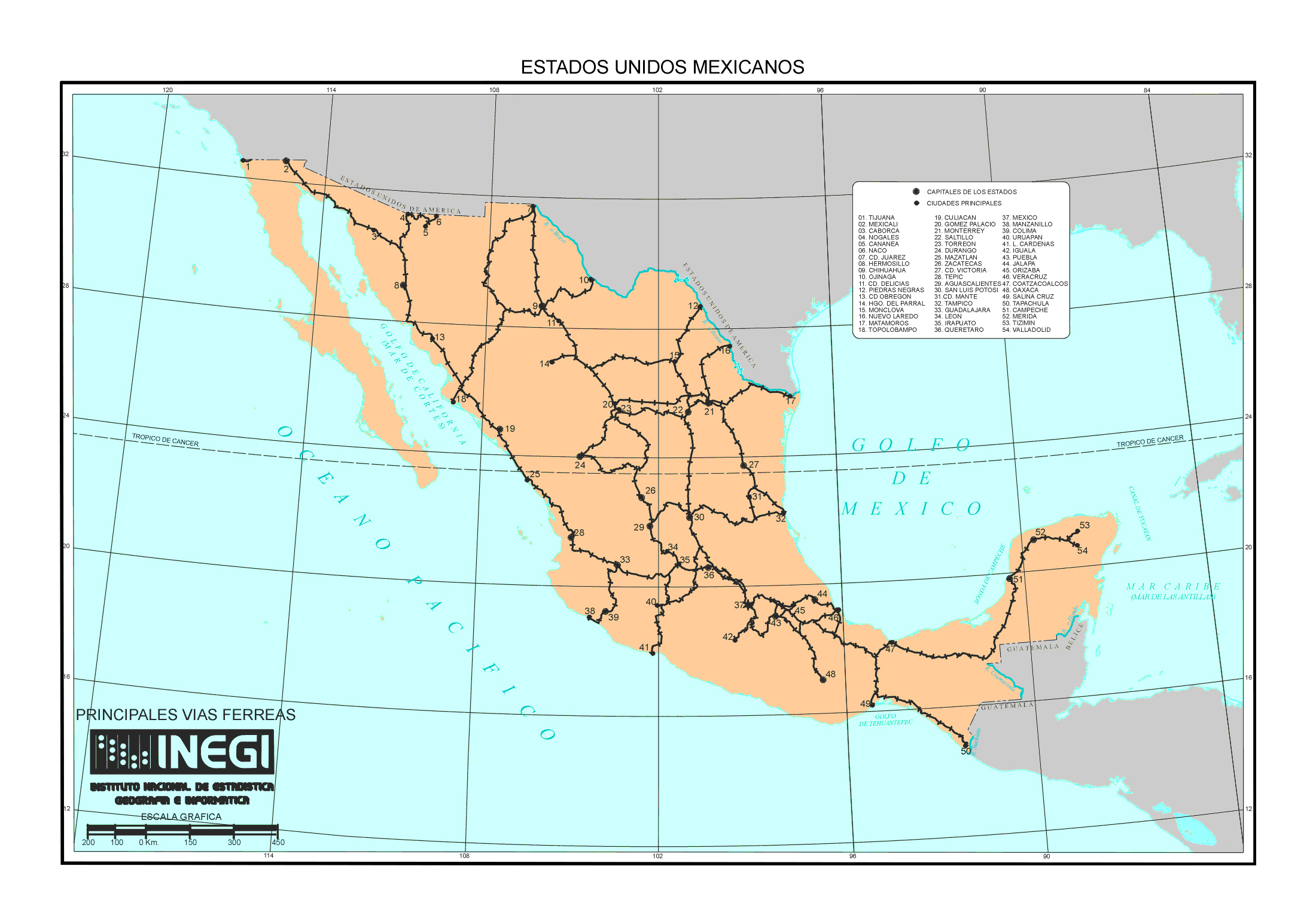
Mexico’s rail network, a sprawling tapestry of steel and concrete, plays a vital role in the country’s economic and social fabric. It connects bustling cities, remote villages, and industrial hubs, facilitating the movement of goods, people, and ideas across its vast landscape. Understanding the intricacies of this network is crucial for travelers, businesses, and anyone seeking to delve deeper into the complexities of Mexico’s transportation infrastructure.
The History of Mexico’s Rail Network: A Legacy of Progress and Challenges
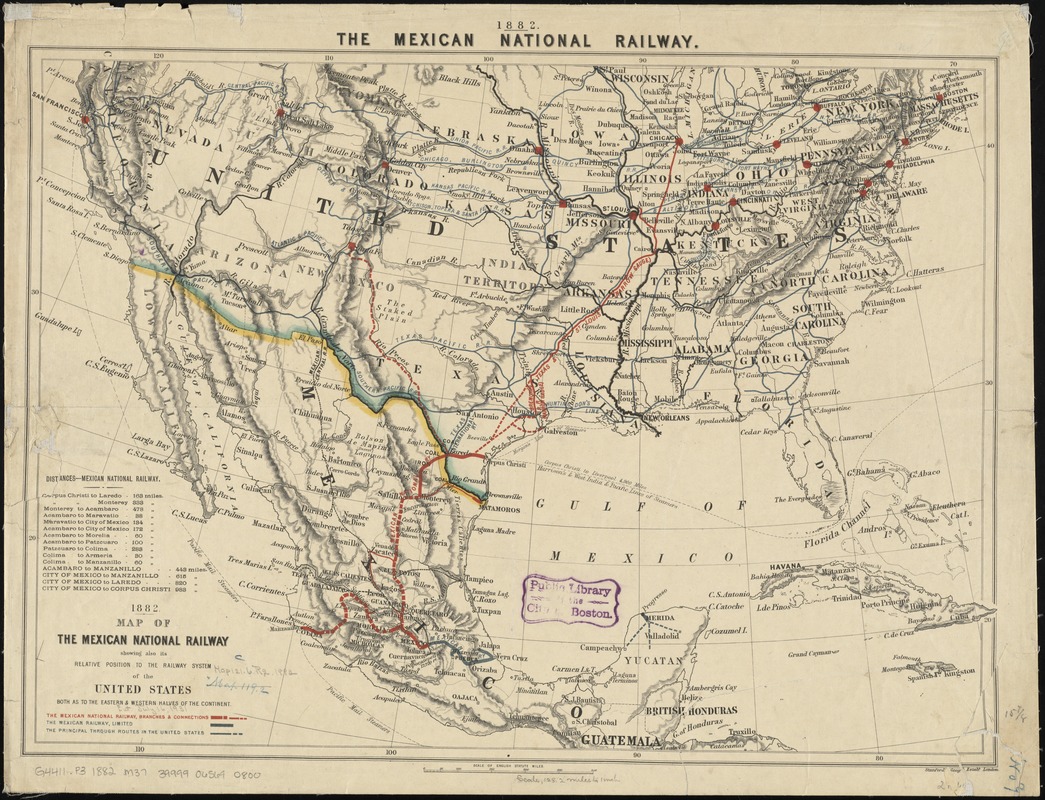
Mexico’s railway history stretches back to the 19th century, beginning with the construction of the first line in 1837. The subsequent decades witnessed a rapid expansion of the network, driven by the need to connect major cities and facilitate trade. The Mexican Revolution in the early 20th century, however, brought about a period of stagnation and neglect.
Following the revolution, the government nationalized the railways, leading to the creation of Ferrocarriles Nacionales de México (FNM). Under FNM’s management, the network underwent significant modernization and expansion. This period saw the introduction of diesel locomotives and the construction of new lines, including the iconic Ferrocarril del Istmo de Tehuantepec, which connected the Pacific and Atlantic coasts.
Despite these advancements, the FNM faced numerous challenges, including financial instability, outdated infrastructure, and competition from road transport. In the 1990s, the Mexican government initiated a process of privatization, leading to the creation of several private railway companies. This shift aimed to introduce greater efficiency and competition, with the goal of revitalizing the rail sector.
A Glimpse into the Modern Rail Network: Lines, Routes, and Operators
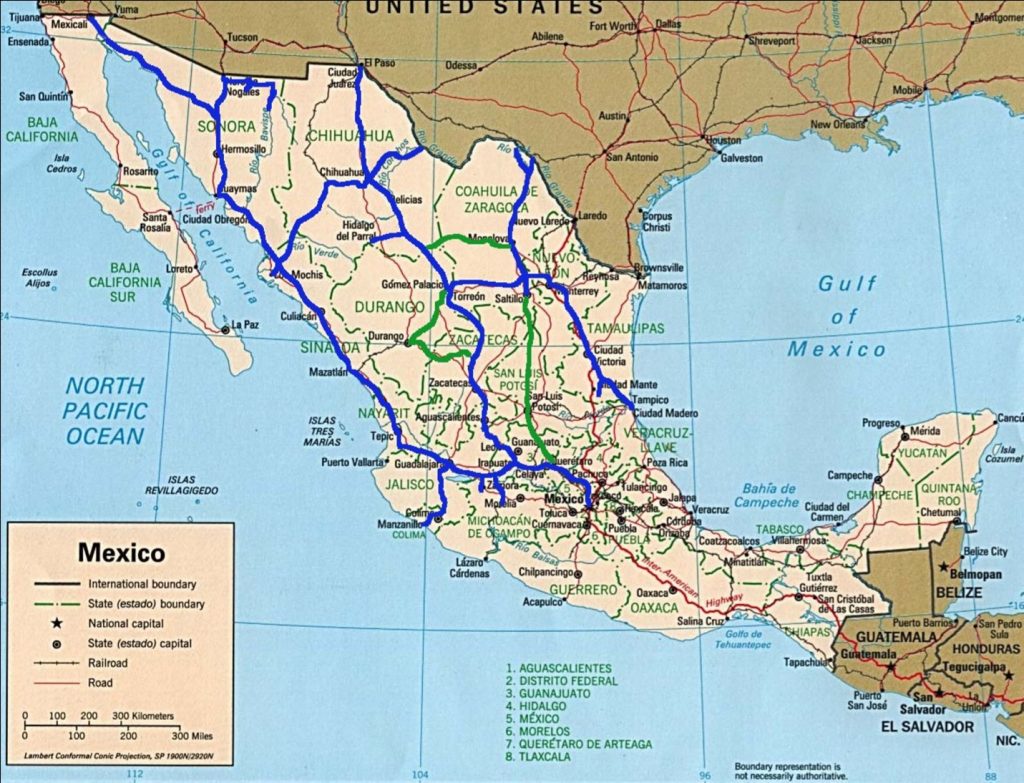
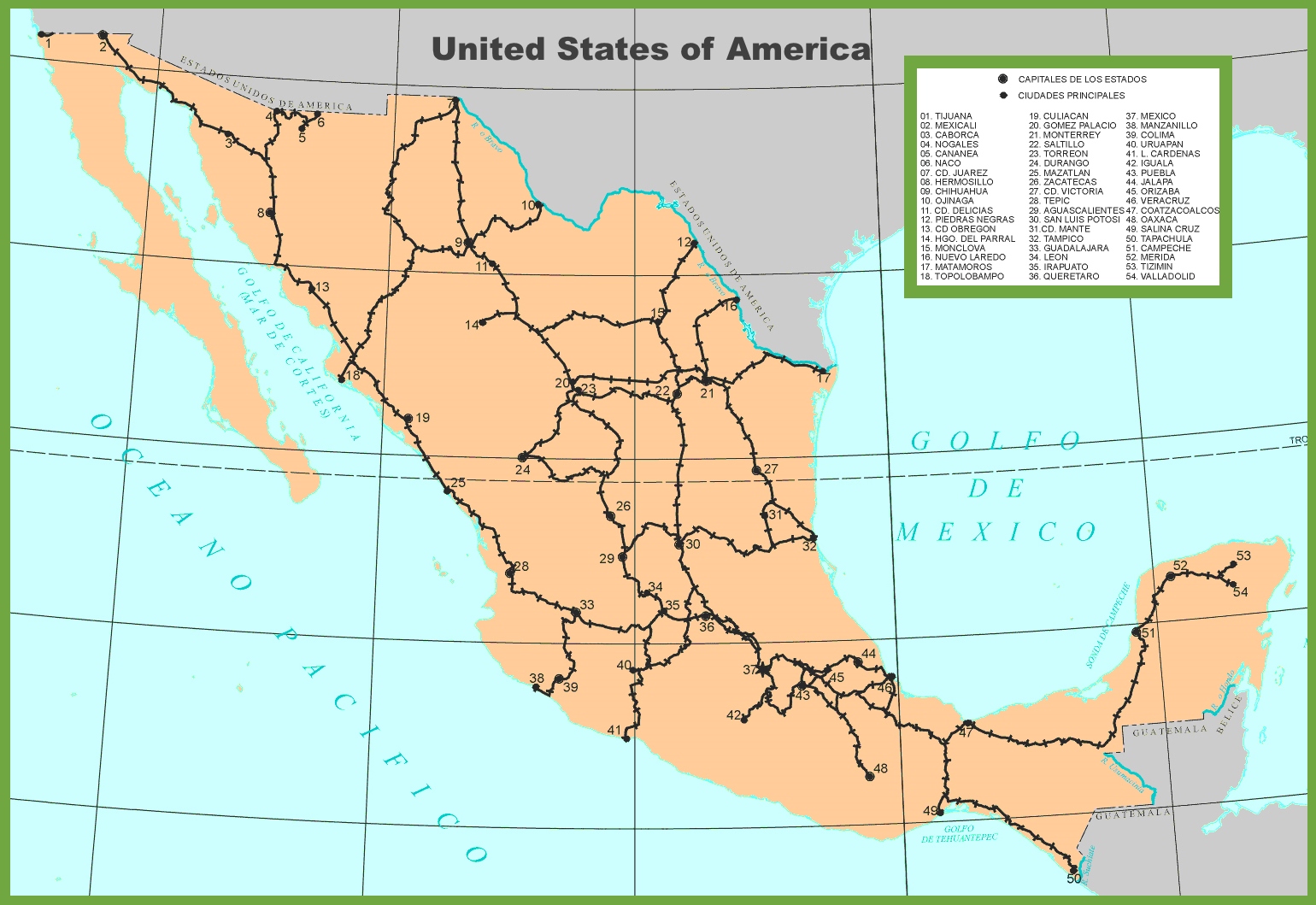
Today, Mexico’s rail network is a complex tapestry of lines and routes operated by a diverse array of companies. The network encompasses over 25,000 kilometers of track, connecting major cities like Mexico City, Guadalajara, Monterrey, and Tijuana.
Major Rail Lines and Routes:
- Ferrocarril del Istmo de Tehuantepec: This iconic line connects the Pacific Ocean port of Salina Cruz to the Gulf of Mexico port of Coatzacoalcos, offering a vital transportation link between the two coasts.
- Línea A: This commuter rail line operates in Mexico City, connecting the city center with the western suburbs.
- Línea B: Another commuter rail line in Mexico City, connecting the city center with the northern suburbs.
- Línea 12: This line, known for its unique elevated structure, connects the southern and eastern parts of Mexico City.
- Ferrocarril Chihuahua al Pacífico: This scenic line, often referred to as the "Chepe," traverses the Copper Canyon region, offering breathtaking views and a unique travel experience.
- Ferrocarril del Sureste: This line connects Mexico City with the Yucatan Peninsula, passing through important cities like Veracruz and Puebla.
Key Operators:
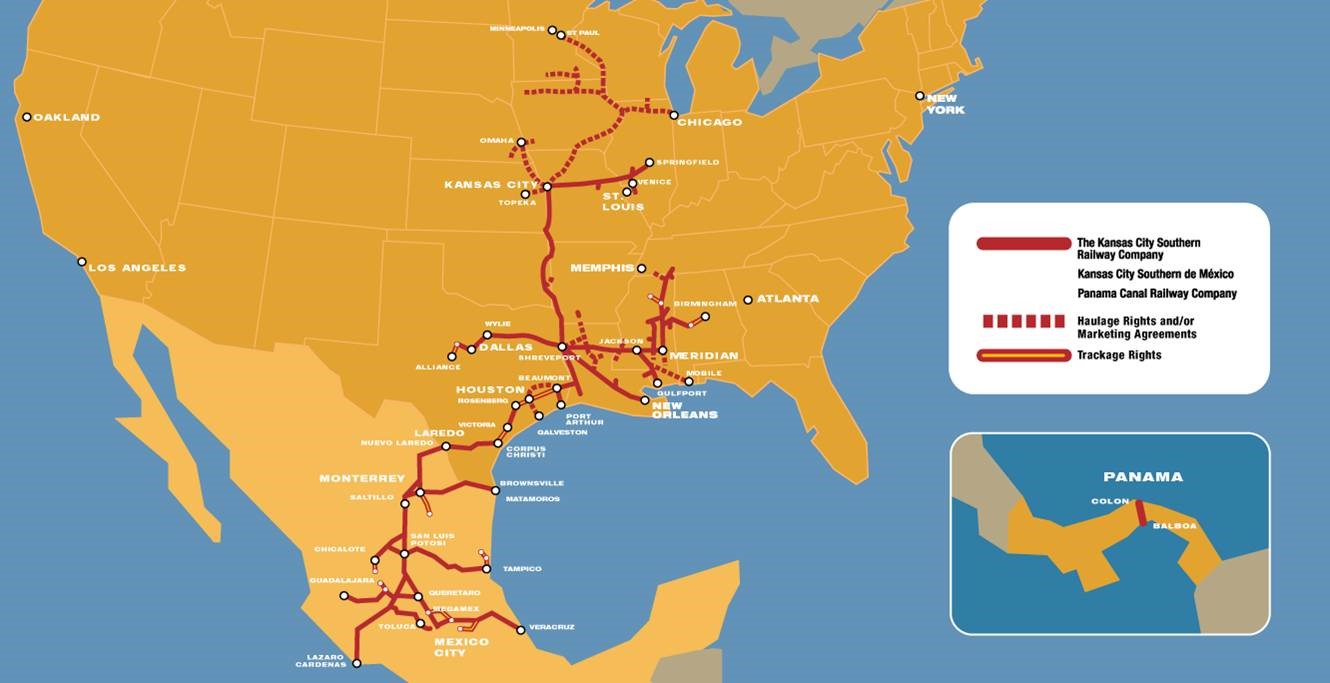
- Kansas City Southern de México: This company operates a significant portion of the freight rail network, connecting Mexico with the United States.
- Ferromex: This company manages a substantial network of freight lines, connecting major industrial centers across Mexico.
- Grupo México: This conglomerate operates a diverse range of businesses, including the rail company Ferrosur, which focuses on passenger and freight services in the southern part of the country.
- Tren Maya: This ambitious project, currently under construction, aims to create a new passenger rail line connecting the Yucatan Peninsula with the rest of Mexico.
The Importance of the Rail Network: Connecting People, Goods, and Economies
Mexico’s rail network plays a pivotal role in the country’s economic and social development. It serves as a vital artery for the transportation of goods, facilitating the movement of raw materials, manufactured products, and agricultural produce. The efficient movement of these goods is crucial for supporting industries, creating jobs, and stimulating economic growth.
Beyond its economic significance, the rail network also plays a crucial role in connecting communities and fostering social cohesion. Passenger services provide affordable and reliable transportation for millions of people, enabling them to travel between cities, visit family and friends, and access essential services.
Challenges and Opportunities: Navigating the Future of Mexico’s Rail Network
Despite its importance, Mexico’s rail network faces a number of challenges, including:
- Aging Infrastructure: Many sections of the network are outdated and require significant investment in maintenance and modernization.
- Competition from Road Transport: The rise of road transport has led to a decline in rail freight traffic in recent years, posing a challenge to the financial viability of the network.
- Limited Passenger Services: The lack of high-speed rail lines and limited passenger services in many areas restricts the network’s potential for passenger transport.
However, these challenges also present opportunities for growth and development. The Mexican government has recognized the importance of investing in the rail sector, with initiatives aimed at:
- Modernizing Infrastructure: The government is investing in upgrading and expanding the network, including the construction of new lines and the acquisition of modern locomotives.
- Promoting Passenger Services: The government is encouraging the development of high-speed rail lines and improving passenger services, aiming to make rail travel a more attractive option.
- Enhancing Freight Capacity: The government is working to increase the capacity and efficiency of the freight network, facilitating the movement of goods and supporting economic growth.
Navigating the Rail Network: A Guide for Travelers and Businesses
For travelers and businesses seeking to utilize Mexico’s rail network, a comprehensive understanding of the different lines, routes, and operators is essential.
Tips for Travelers:
- Plan Your Journey: Carefully plan your route, considering the different lines, operators, and schedules.
- Book Tickets in Advance: Especially during peak seasons, it is advisable to book tickets in advance to ensure availability.
- Check for Updates: Be aware of any delays or cancellations, and check for updates before traveling.
- Safety First: Ensure you are aware of the safety regulations and take necessary precautions while traveling.
Tips for Businesses:
- Choose the Right Operator: Select a rail operator that aligns with your specific needs and requirements.
- Negotiate Rates: Explore different options and negotiate competitive rates for freight services.
- Optimize Logistics: Implement efficient logistics strategies to maximize the utilization of the rail network.
- Explore Partnerships: Collaborate with other businesses to leverage the network’s potential and optimize transportation costs.
FAQs about Mexico’s Rail Network:
-
What are the most popular rail routes in Mexico?
- The Ferrocarril Chihuahua al Pacífico (Chepe), the Ferrocarril del Istmo de Tehuantepec, and the commuter rail lines in Mexico City are among the most popular routes.
-
How safe is it to travel by train in Mexico?
- Generally, traveling by train in Mexico is safe. However, it is always advisable to take necessary precautions and be aware of your surroundings.
-
What are the different types of trains available in Mexico?
- Mexico offers a variety of train types, including passenger trains, freight trains, and commuter trains.
-
How can I find information about train schedules and fares?
- You can find information about train schedules and fares on the websites of the different rail operators.
-
What are the benefits of using the rail network for freight transportation?
- Rail transportation offers cost-effective, efficient, and environmentally friendly options for freight movement.
Conclusion: A Vital Backbone for Mexico’s Development
Mexico’s rail network stands as a testament to the country’s history and its aspirations for progress. It serves as a vital artery for the movement of goods and people, connecting cities, industries, and communities across its vast expanse. As the country continues to invest in its rail infrastructure, the network is poised to play an even more significant role in shaping Mexico’s future, fostering economic growth, and enhancing the lives of its citizens.
Closure
Thus, we hope this article has provided valuable insights into Navigating Mexico: A Comprehensive Guide to the Rail Network. We thank you for taking the time to read this article. See you in our next article!