 By admin
 Buenos Aires: A Vibrant Metropolis on the World Map
Related Articles: Buenos Aires: A Vibrant Metropolis on the World Map
Introduction
With great pleasure, we will explore the intriguing topic related to Buenos Aires: A Vibrant Metropolis on the World Map. Let’s weave interesting information and offer fresh perspectives to the readers.
Table of Content
Buenos Aires: A Vibrant Metropolis on the World Map

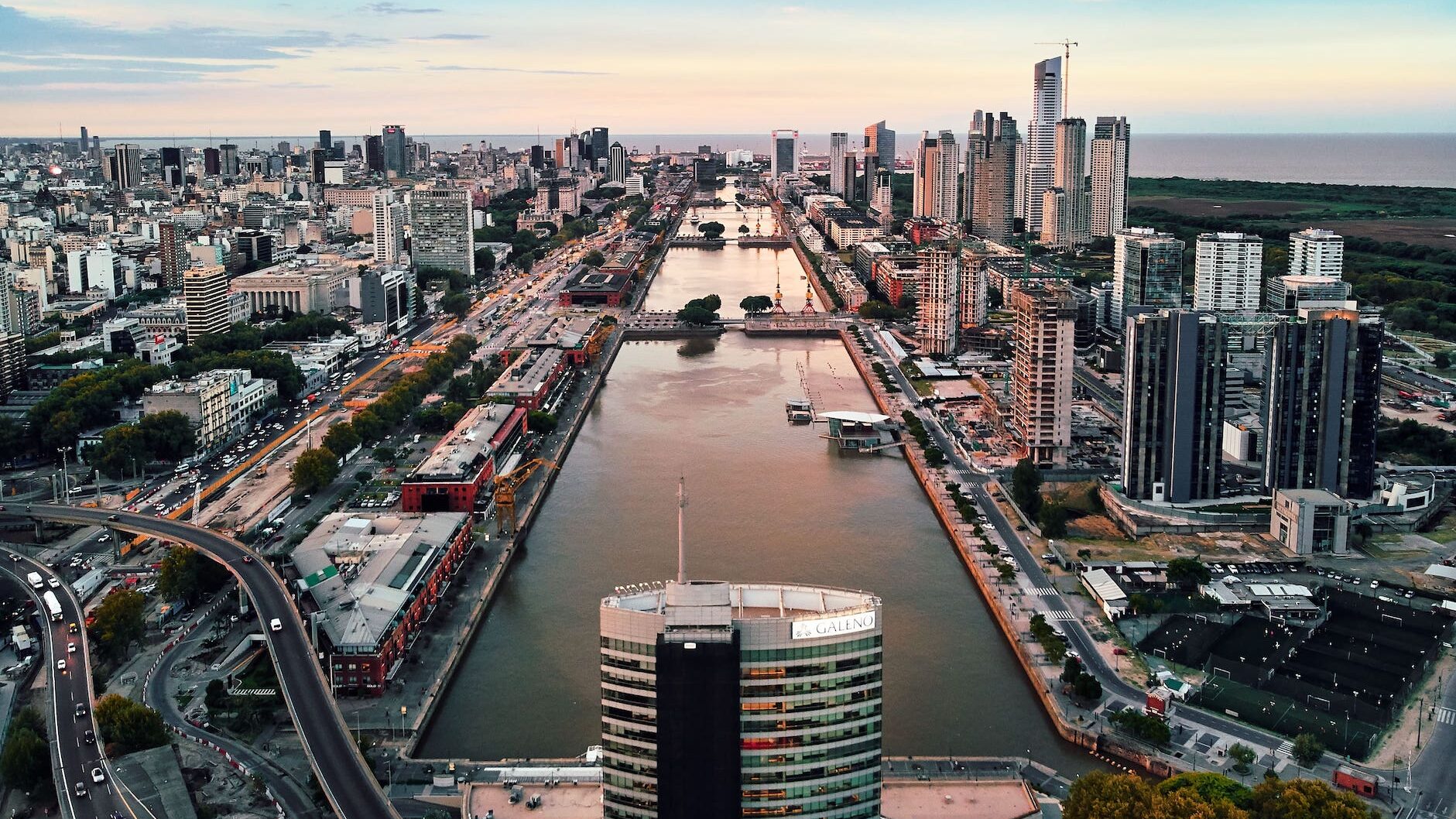
Buenos Aires, the capital of Argentina, is a captivating city that holds a prominent position on the world map. Its strategic location in South America, its rich cultural heritage, and its thriving economic landscape make it a destination of immense interest for travelers, investors, and scholars alike.
Buenos Aires’ Location on the World Map:
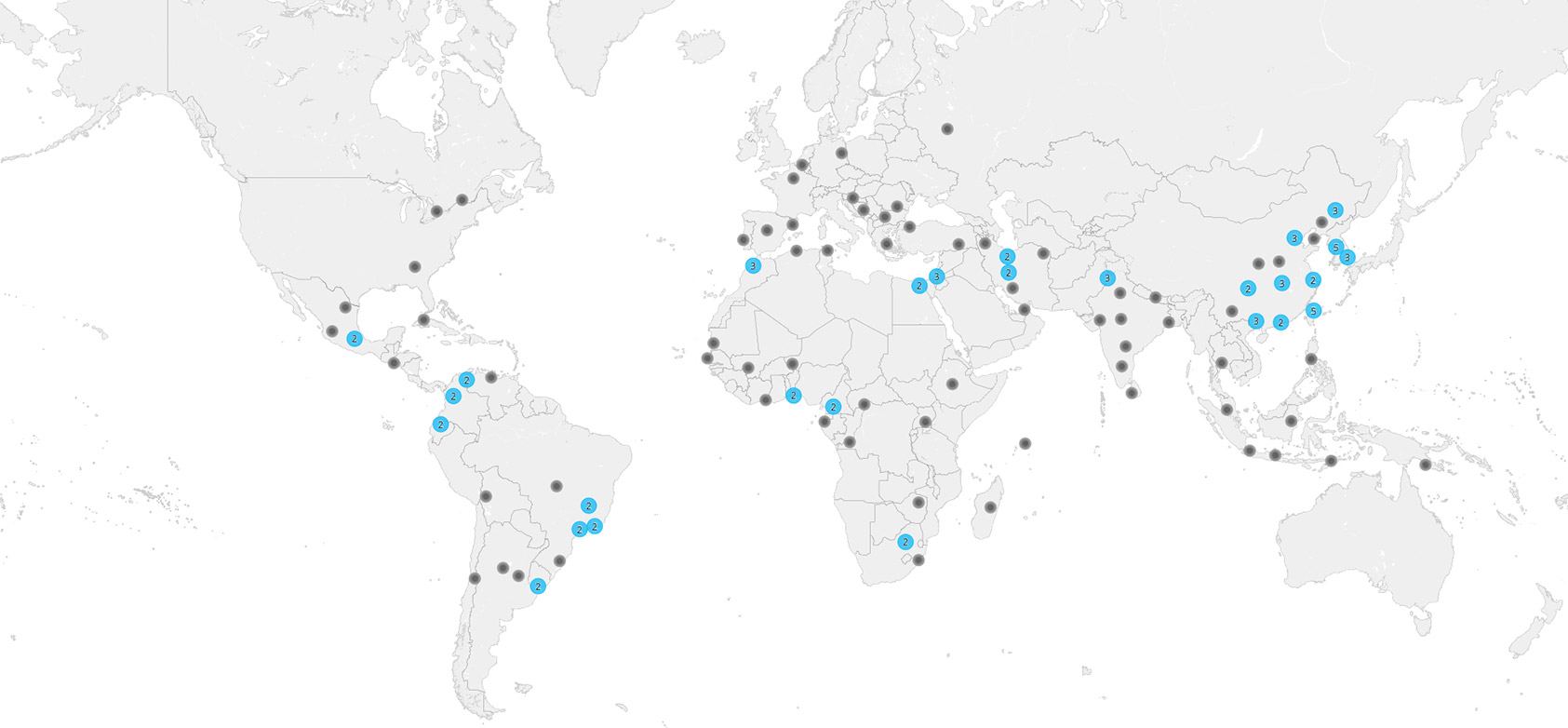
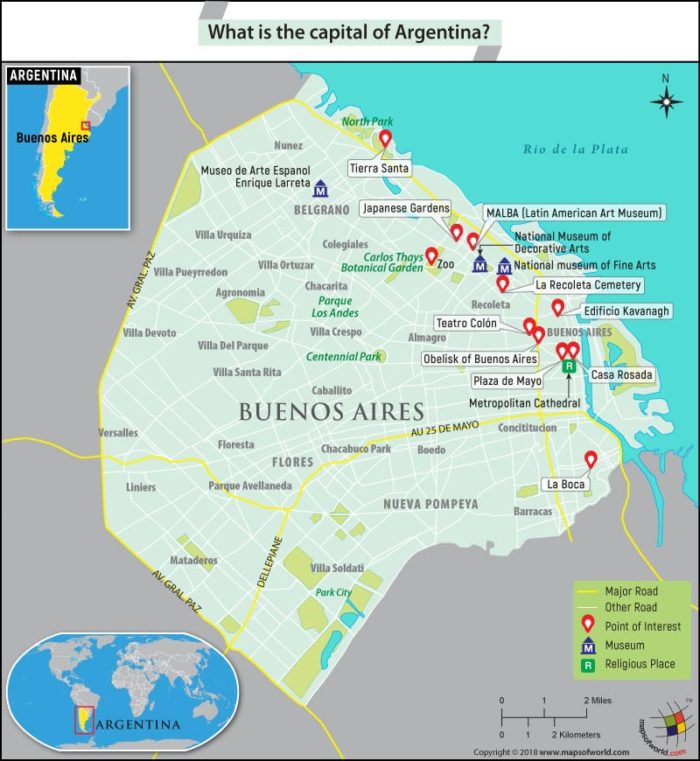
Buenos Aires sits on the southeastern coast of South America, nestled on the western bank of the Río de la Plata, a wide estuary formed by the confluence of the Paraná and Uruguay rivers. Its coordinates are approximately 34°35′ S, 58°22′ W. This location makes it a natural hub for trade and transportation, connecting Argentina to the rest of the continent and the world.
Buenos Aires’ Importance on the World Map:
Buenos Aires’ significance extends far beyond its geographical position. It is a city of immense cultural, economic, and political weight. Here’s a closer look at its key contributions:
Cultural Hub:
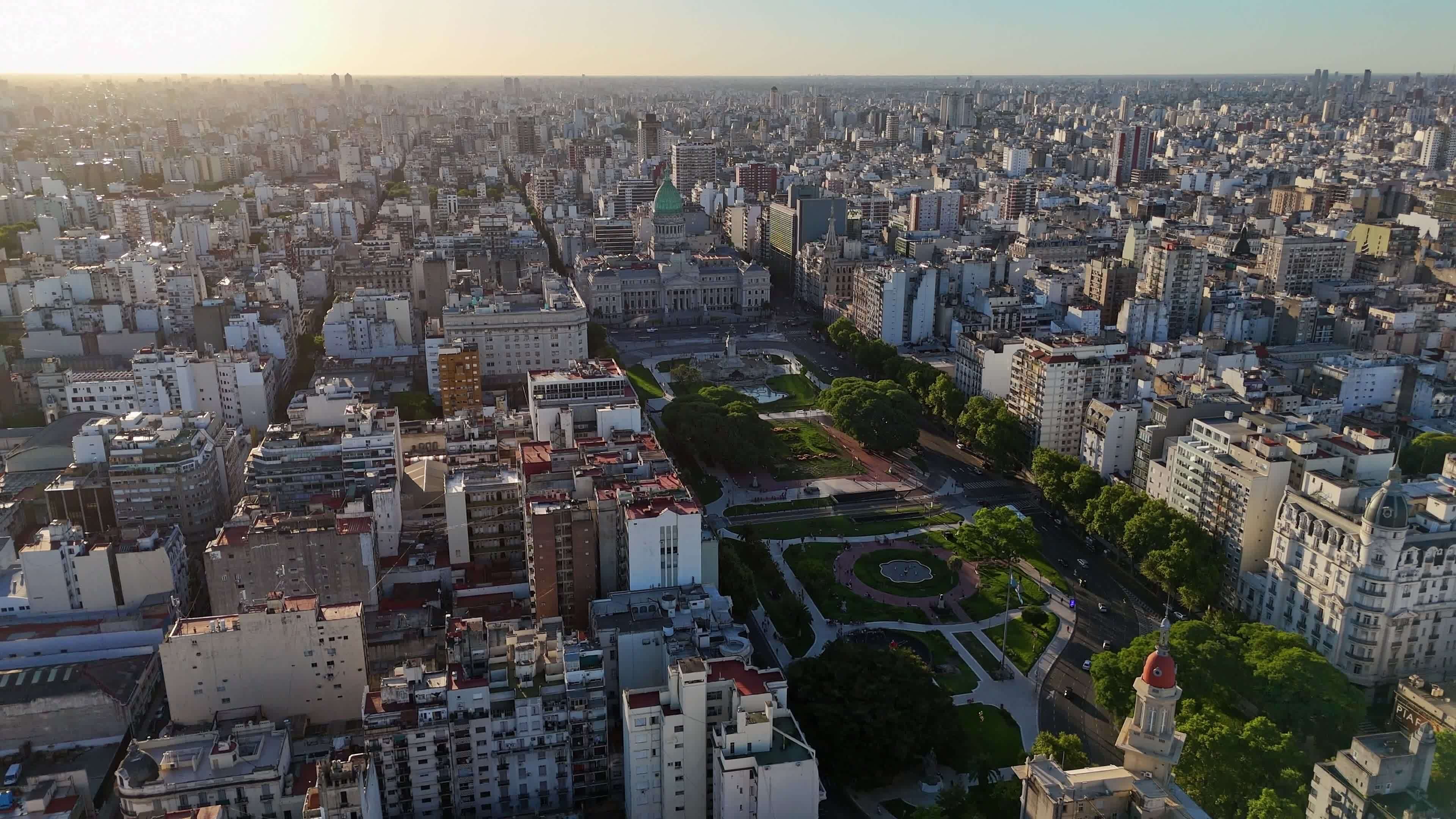
- Art and Architecture: Buenos Aires is renowned for its vibrant art scene, boasting numerous museums, theaters, and galleries. The city’s architectural landscape showcases a fascinating blend of European influences, particularly Italian and French, with a distinct Latin American character. Notable landmarks include the Casa Rosada, the Metropolitan Cathedral, and the Obelisk.
- Literature and Music: Buenos Aires has a long and rich literary tradition, giving birth to renowned writers like Jorge Luis Borges and Julio Cortázar. The city’s tango music, a passionate and expressive dance form, is internationally recognized and considered an integral part of Argentinian identity.
- Gastronomy: Buenos Aires is a culinary paradise, offering a diverse range of dining experiences. From traditional Argentine dishes like asado (grilled meat) and empanadas to international cuisines, the city caters to every palate.
Economic Powerhouse:
- Financial Center: Buenos Aires is the financial hub of Argentina and one of the most important financial centers in Latin America. It houses the headquarters of major banks, insurance companies, and investment firms.
- Trade and Industry: The city is a major port and a crucial center for trade and industry. Its diverse industries include agriculture, manufacturing, tourism, and technology.
- Innovation and Entrepreneurship: Buenos Aires is witnessing a surge in innovation and entrepreneurship, with startups and technology companies thriving in the city’s dynamic ecosystem.
Political Significance:
- Capital City: As the capital of Argentina, Buenos Aires is the seat of the country’s government, hosting the Presidential Palace, Congress, and Supreme Court.
- Diplomatic Center: Buenos Aires is a major diplomatic center, hosting embassies and consulates from numerous countries worldwide.
- Regional Influence: Buenos Aires plays a significant role in regional politics and international relations, acting as a voice for Argentina and South America on the global stage.
Buenos Aires’ Benefits on the World Map:
- Tourism Destination: Buenos Aires is a popular tourist destination, attracting millions of visitors each year. Its rich culture, vibrant nightlife, and diverse culinary scene make it an unforgettable travel experience.
- Investment Hub: Buenos Aires offers attractive investment opportunities in various sectors, including real estate, infrastructure, and technology.
- Gateway to South America: Its strategic location makes Buenos Aires a gateway to South America, facilitating trade, investment, and cultural exchange with the continent.
FAQs about Buenos Aires on the World Map:
- What is the time zone of Buenos Aires? Buenos Aires is located in the Argentina Standard Time (ART) zone, which is UTC-3.
- What is the official language of Buenos Aires? The official language of Buenos Aires is Spanish.
- What is the currency of Buenos Aires? The currency of Buenos Aires is the Argentine Peso (ARS).
- What is the population of Buenos Aires? The population of Buenos Aires is approximately 2.9 million.
- What are some popular tourist attractions in Buenos Aires? Popular tourist attractions in Buenos Aires include the Casa Rosada, the Metropolitan Cathedral, the Obelisk, the Recoleta Cemetery, and the Palermo neighborhood.
Tips for Visiting Buenos Aires:
- Learn some basic Spanish phrases. While English is widely spoken in tourist areas, knowing a few basic Spanish phrases will enhance your experience.
- Embrace the city’s vibrant nightlife. Buenos Aires is known for its lively nightlife, with numerous bars, clubs, and tango shows.
- Sample the local cuisine. Indulge in traditional Argentine dishes like asado, empanadas, and dulce de leche.
- Take a tango lesson. Tango is an integral part of Argentinian culture, and taking a lesson is a fun and memorable experience.
- Explore the city’s diverse neighborhoods. From the elegant Recoleta to the bohemian San Telmo, each neighborhood offers a unique character and charm.
Conclusion:
Buenos Aires is a city of remarkable depth and dynamism, holding a prominent place on the world map. Its strategic location, rich culture, thriving economy, and political significance make it a vital player in the global landscape. Whether you are a traveler seeking cultural immersion, an investor looking for opportunities, or a scholar exploring global trends, Buenos Aires offers a captivating experience and a glimpse into the heart of South America.




Closure
Thus, we hope this article has provided valuable insights into Buenos Aires: A Vibrant Metropolis on the World Map. We appreciate your attention to our article. See you in our next article!