 By admin
 A Comprehensive Guide to the Geography and History of Fayette County, Pennsylvania
Related Articles: A Comprehensive Guide to the Geography and History of Fayette County, Pennsylvania
Introduction
With enthusiasm, let’s navigate through the intriguing topic related to A Comprehensive Guide to the Geography and History of Fayette County, Pennsylvania. Let’s weave interesting information and offer fresh perspectives to the readers.
Table of Content
A Comprehensive Guide to the Geography and History of Fayette County, Pennsylvania
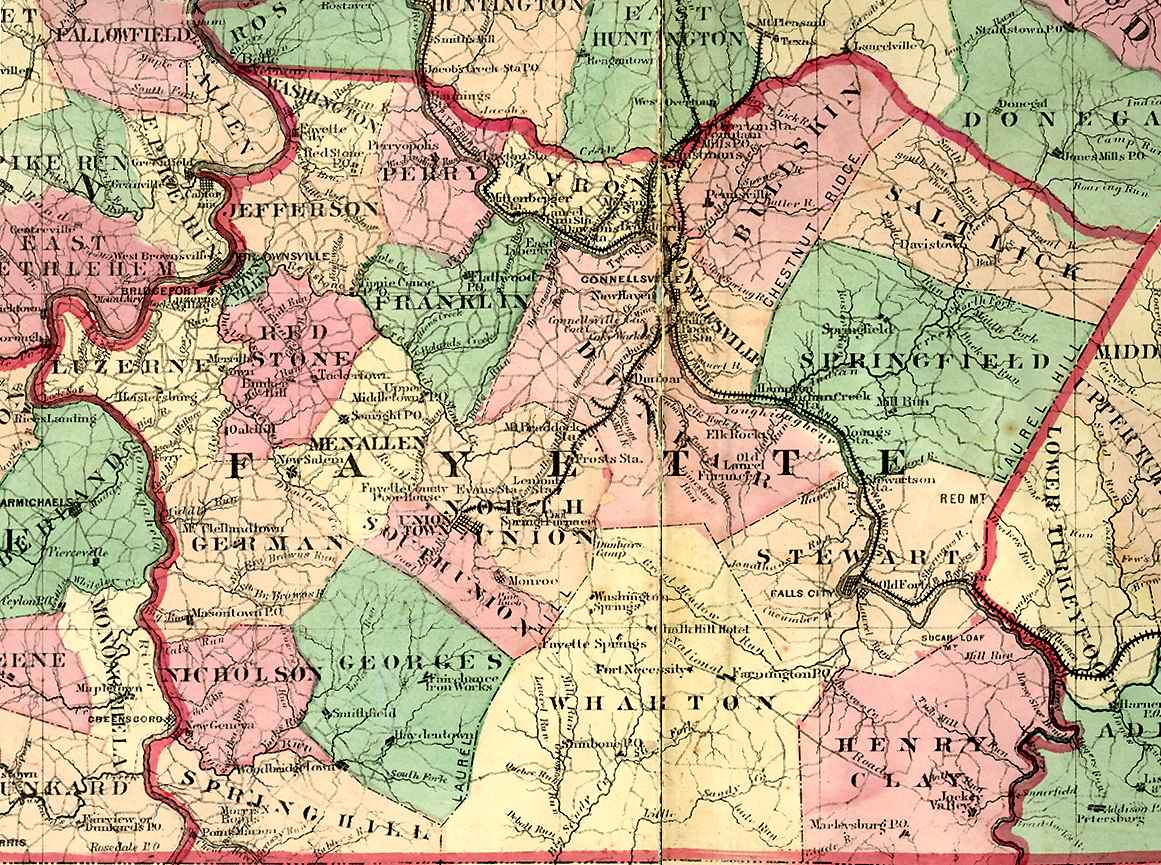
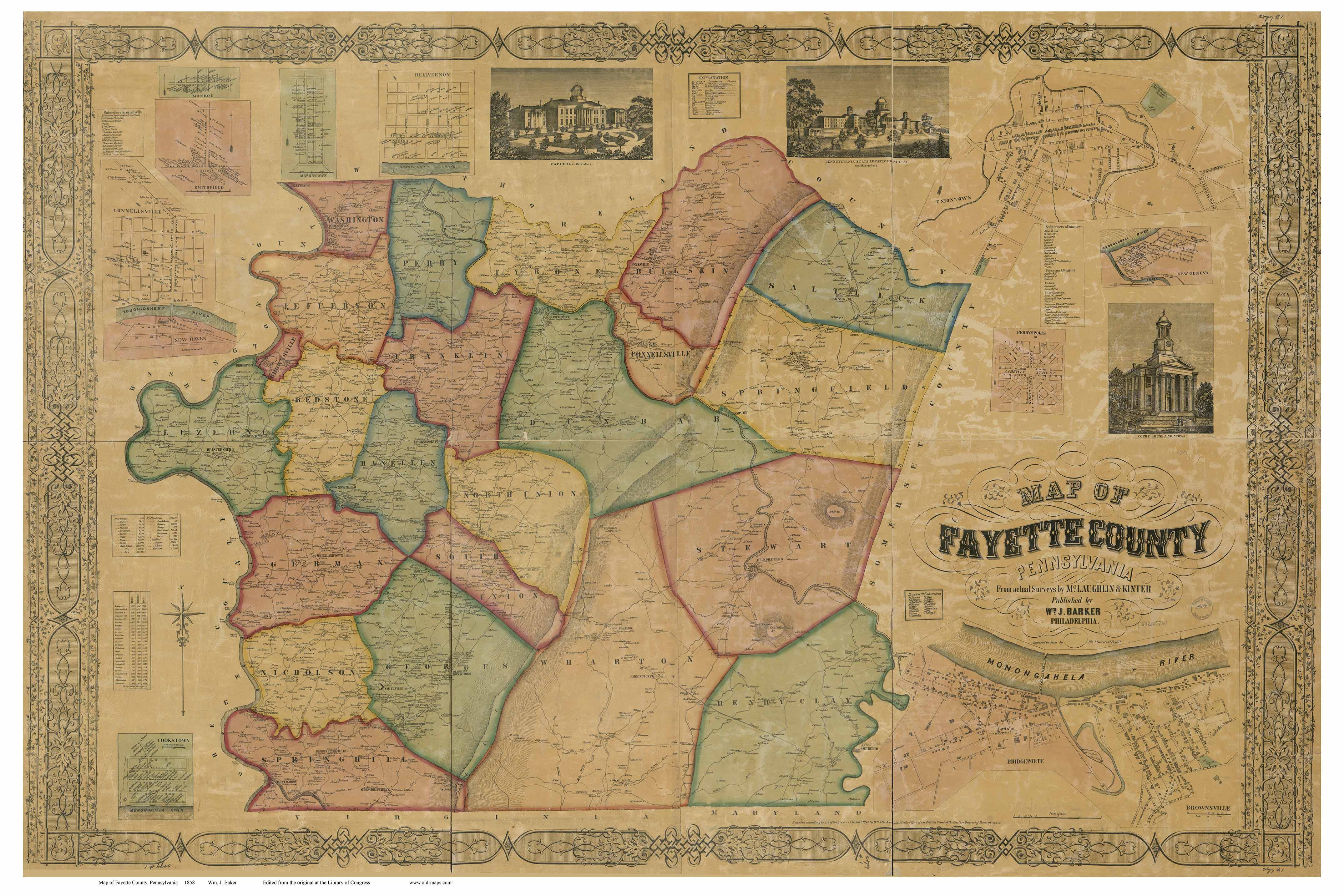
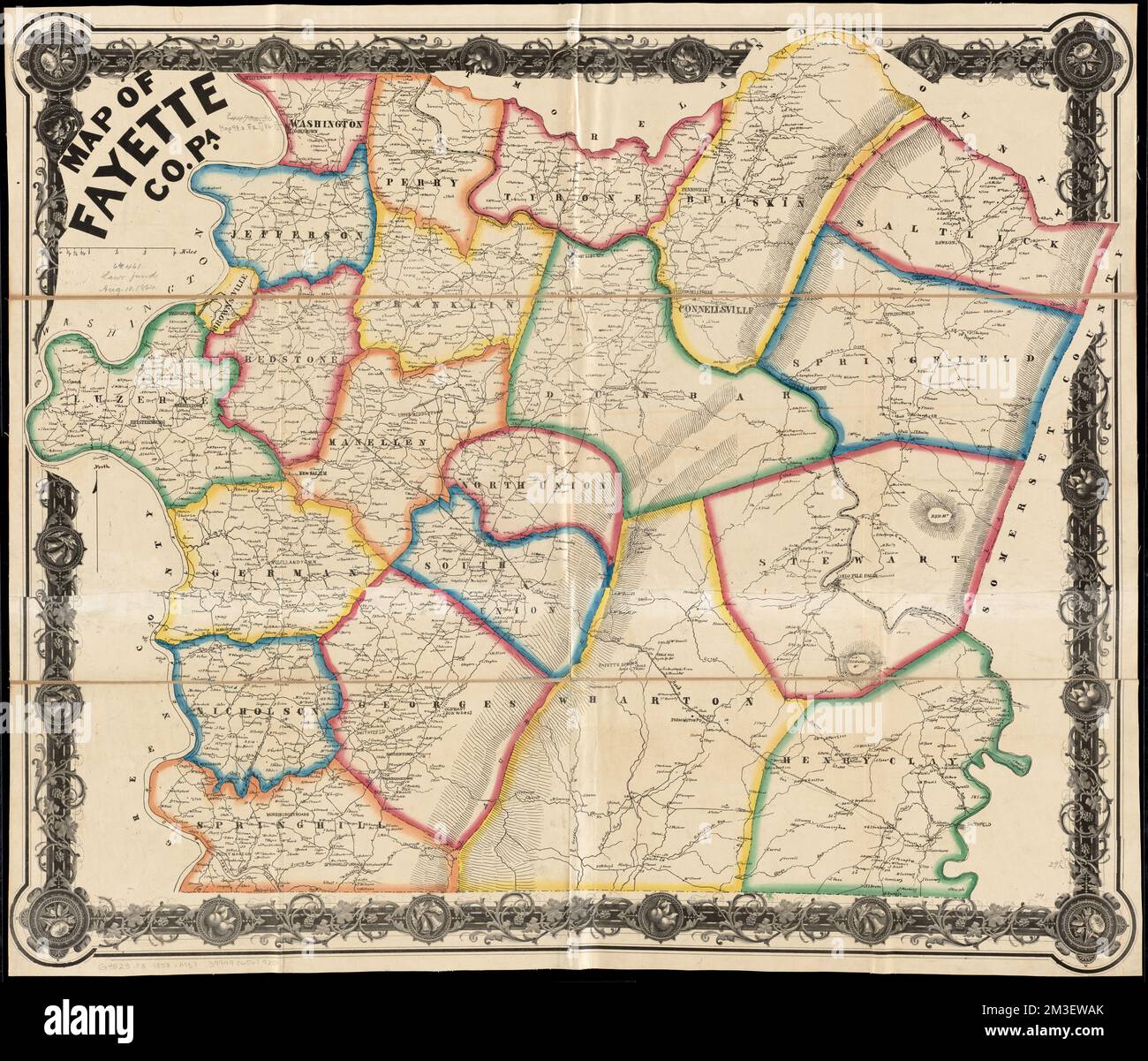
Fayette County, located in the southwestern region of Pennsylvania, holds a rich history and diverse landscape that has shaped its identity and continues to influence its present. Understanding its geography, history, and key features is crucial for appreciating the county’s significance and its role in the broader context of Pennsylvania. This comprehensive guide delves into the intricacies of Fayette County, exploring its map, demographics, notable landmarks, and its ongoing evolution.
Geographical Overview
Fayette County, with an area spanning 805 square miles, is characterized by its varied topography. The county is bisected by the Youghiogheny River, which flows through its eastern portion, carving out valleys and contributing to its diverse terrain. The western part of the county is dominated by the Chestnut Ridge, a prominent mountain range that extends through southwestern Pennsylvania. This range contributes to the county’s varied elevation, ranging from 700 to 2,800 feet above sea level.
The county’s landscape is further shaped by numerous creeks and streams, including the Monongahela River, which forms part of its southern border. These waterways have historically played a vital role in the county’s development, providing transportation routes and contributing to its industrial growth.
Historical Significance
Fayette County’s history is deeply intertwined with the development of the American frontier and the rise of the coal industry. The county was established in 1784, named after the Marquis de Lafayette, a French general who played a crucial role in the American Revolutionary War.
The discovery of coal deposits in the early 19th century propelled Fayette County into a major center of industrial activity. Coal mining became the dominant industry, attracting immigrants from various parts of the world who sought employment in the coal mines. The county’s landscape was forever altered by the rise of mining towns, coal-fired power plants, and the infrastructure necessary to support this booming industry.
Key Features and Landmarks
Fayette County boasts a rich tapestry of historical landmarks, natural wonders, and cultural attractions. Some of the most notable include:
- Ohiopyle State Park: This park is renowned for its scenic beauty, featuring the Youghiogheny River, cascading waterfalls, and hiking trails. The park is a popular destination for whitewater rafting, kayaking, and fishing.
- Fort Necessity National Battlefield: This historic site commemorates the pivotal battle of the French and Indian War, where George Washington, then a young military officer, surrendered to the French forces.
- Frank Lloyd Wright’s Fallingwater: This iconic architectural masterpiece, designed by the renowned architect Frank Lloyd Wright, is a testament to the county’s cultural significance. The house, built over a waterfall in Mill Run, is a popular tourist destination.
- The Pennsylvania Trolley Museum: This museum showcases a collection of historic trolley cars, offering visitors a glimpse into the county’s transportation history.
- The Uniontown Area Historical Society: This society preserves and promotes the history of Fayette County, offering exhibits, research resources, and educational programs.
Demographics and Population
Fayette County is home to a diverse population, with a population of approximately 127,000 residents. The county’s population has been steadily declining since the peak of the coal industry in the 20th century. However, recent years have seen a slight increase in population, driven by factors such as the growth of the healthcare industry and the county’s proximity to major metropolitan areas.
The county’s demographic makeup reflects its historical ties to coal mining and the influx of immigrants. The population is predominantly white, with a growing Hispanic population. The county’s median age is 44.2 years, slightly higher than the national average.
Economic Landscape
While coal mining remains a significant industry in Fayette County, its economic landscape has diversified in recent years. The county’s economy is now driven by a mix of industries, including healthcare, manufacturing, tourism, and agriculture.
The healthcare sector has experienced significant growth, with the presence of major hospitals and medical facilities. Manufacturing continues to play a role, with industries such as metal fabrication, plastics, and food processing contributing to the county’s economy.
Tourism is also a growing sector, with the county’s natural beauty and historical landmarks attracting visitors from across the region. Agriculture remains an important part of the county’s economy, with farms producing a variety of crops and livestock.
Challenges and Opportunities
Fayette County faces a number of challenges, including economic diversification, population decline, and infrastructure development. The county’s reliance on coal mining has left it vulnerable to fluctuations in the energy market and the transition to renewable energy sources.
However, Fayette County also presents a number of opportunities for growth. The county’s proximity to major metropolitan areas, its natural beauty, and its rich history provide a foundation for economic diversification, tourism development, and revitalization.
FAQs about Fayette County, Pennsylvania
Q: What is the largest city in Fayette County?
A: Uniontown is the largest city in Fayette County, with a population of approximately 10,000 residents.
Q: What is the primary industry in Fayette County?
A: While coal mining has historically been the dominant industry, the county’s economy has diversified in recent years. Healthcare, manufacturing, tourism, and agriculture now play significant roles.
Q: What are some of the most popular tourist attractions in Fayette County?
A: Popular tourist attractions include Ohiopyle State Park, Fort Necessity National Battlefield, Frank Lloyd Wright’s Fallingwater, the Pennsylvania Trolley Museum, and the Uniontown Area Historical Society.
Q: What is the average cost of living in Fayette County?
A: The cost of living in Fayette County is relatively affordable compared to other parts of Pennsylvania and the United States. Housing costs are particularly low, making it an attractive option for families and retirees.
Q: What are some of the major highways that run through Fayette County?
A: Major highways that run through Fayette County include Interstate 70, Interstate 79, and Pennsylvania Route 40.
Tips for Visiting Fayette County
- Plan your visit around the seasons, as each offers unique experiences. Spring and fall are ideal for hiking and exploring the county’s natural beauty. Summer is perfect for whitewater rafting and other outdoor activities. Winter offers opportunities for skiing and snowboarding at nearby resorts.
- Pack appropriate clothing and footwear for the activities you plan to engage in.
- Be aware of the county’s diverse terrain and elevation changes, especially if you plan to hike or bike.
- Take advantage of the county’s rich history by visiting its historical landmarks and museums.
- Explore the local restaurants and shops to experience the county’s unique culture and cuisine.
Conclusion
Fayette County, Pennsylvania, is a region steeped in history and characterized by its diverse geography and economic landscape. From its coal-mining heritage to its evolving industries and natural beauty, the county offers a unique blend of history, culture, and natural wonders. By understanding its geography, history, and key features, visitors and residents alike can appreciate the county’s significance and its role in the broader context of Pennsylvania. As the county continues to evolve, it faces both challenges and opportunities, offering a glimpse into the future of southwestern Pennsylvania and the resilience of its people.



Closure
Thus, we hope this article has provided valuable insights into A Comprehensive Guide to the Geography and History of Fayette County, Pennsylvania. We hope you find this article informative and beneficial. See you in our next article!